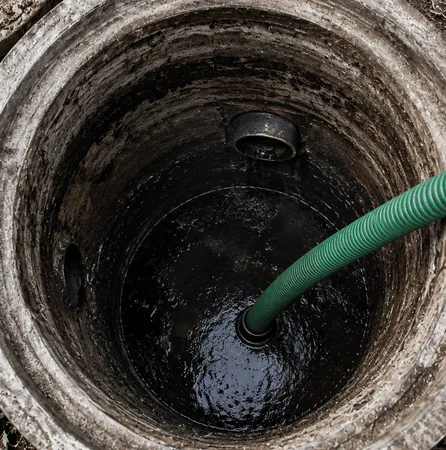
SEPTIC TANK CLEANING IN MENIFEE, CA
Thorough Septic Tank Cleaning for Menifee Homes
For tanks with heavy buildup, septic tank cleaning in Menifee removes accumulated waste so the system can return to a cleaner operating condition. Call today for a fast, free estimate.
- Licensed & Insured
- Locally Owned
- Serving Since 2016
Get a Free Estimate
Home › Residential Septic Services › Septic Tank Cleaning
A septic tank collects material every day. Routine pumping removes the tank contents, but some tanks develop thicker residue or accumulated material that makes a more thorough clean-out worth discussing. Septic tank cleaning is focused on removing that buildup rather than simply treating the job as a quick pump-and-go visit.
Menifee Septic Service helps homeowners understand when cleaning is appropriate and what it can realistically accomplish. If the main need is normal maintenance, septic tank pumping may be enough. If the tank contains stubborn material or has been neglected for an extended period, a deeper cleaning approach may make more sense.
Cleaning the tank is still only one part of septic care. It cannot restore a failed drain field or repair a damaged component. The value is in leaving the tank in a better service condition while paying attention to signs that another part of the system may also need evaluation.
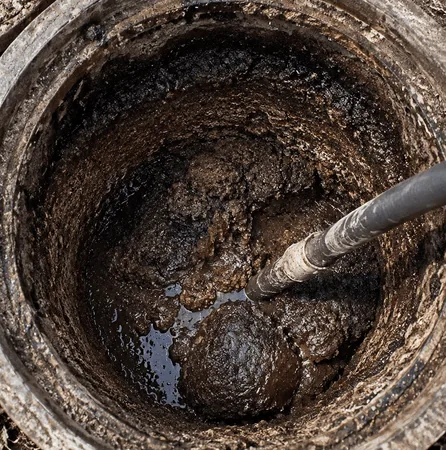
When Septic Tank Cleaning Goes Beyond Routine Pumping
Cleaning is most useful when the tank condition calls for more than ordinary waste removal. A tank that has gone a long time without service can contain dense sludge, thick scum, or material that does not leave as readily during a standard pump-out. Cleaning can also be useful when access to the tank provides an opportunity to remove stubborn residual waste more thoroughly.
Homeowners may ask about cleaning when:
- The service history is unknown or the tank has been neglected.
- Heavy sludge or scum remains after liquid is removed.
- Built-up material is interfering with a clear look at accessible tank conditions.
- A more complete clean-out is desired before another septic service.
- Previous maintenance was limited to partial or incomplete pumping.
The decision should be based on what the tank actually needs. Cleaning is not an automatic upgrade that every pump-out requires. A straightforward tank in normal condition may only need routine pumping, while another tank can benefit from additional effort to remove accumulated material.
What Thorough Tank Cleaning Can Address
Thorough cleaning is aimed at solids and residue inside the tank. That can include material settled on the bottom, floating scum, and stubborn waste left behind after the main liquid volume is removed. The objective is to leave less accumulated material occupying the tank and to provide a cleaner starting point for continued system use.
Cleaning can also make it easier to discuss visible tank condition while access is open. If you are trying to understand whether a recurring concern is limited to maintenance or may involve another system component, that distinction matters. Our broader residential septic service options cover repairs, inspections, pumps, drain field concerns, and larger system work when the issue goes beyond the tank.
What cleaning does not do is just as important. It does not fix broken baffles, damaged lines, electrical controls, or soil absorption problems. If symptoms return quickly after the tank is cleaned, the cause may be outside the material that was removed.
Buildup, Access, and Tank Conditions That Matter
Tank condition varies from property to property. Access may be through risers or buried lids, and the amount and consistency of accumulated waste depend on how the system has been used and maintained. That means a useful cleaning conversation starts with the tank in front of us rather than a one-size-fits-all assumption.
Tell us if the home has experienced backups, odors, slow fixtures, alarms, or unusual water around the septic area. Heavy accumulation can contribute to maintenance problems, but similar symptoms can also come from a line, pump, outlet component, or drain field. The pattern helps determine whether cleaning is the complete service or only one step in understanding the system.
It is also helpful to know if the tank has been serviced recently. A tank that was pumped only a short time ago but is showing the same symptoms again may need a different kind of attention. Service history can prevent unnecessary repeat work and point the conversation toward the part of the system that deserves evaluation.
What to Do After the Tank Is Serviced
After cleaning, return to normal septic-friendly use and keep a record of the service date. You do not need to treat the system as fragile, but avoid sending materials into it that increase solids or interfere with treatment. Wipes, grease, excessive food waste, and non-biodegradable items create work the septic system was not designed to handle.
The EPA’s frequently asked septic system questions provide general homeowner information about maintenance, water use, and warning signs. Those recommendations are useful background, while your own tank size, household use, and property history should guide actual service decisions.
Watch how the system behaves after service. If wastewater flow returns to normal and no other symptoms are present, keep the cleaning date with your maintenance records. If odors, slow drains, alarms, or wet ground continue, mention that promptly. A clean tank can make it clearer that the remaining concern is somewhere else in the system.
Protecting the Rest of the Septic System
The tank and drain field work together. Removing accumulated waste helps protect tank capacity, but homeowners can also reduce unnecessary strain by managing water use and keeping inappropriate materials out of drains. The goal is to support normal settling and treatment before wastewater leaves the tank for the soil absorption area.
- Repair leaking fixtures that send extra water into the system.
- Spread laundry and other high-water activities when practical.
- Do not flush wipes, hygiene products, or household trash.
- Avoid pouring grease or large amounts of food waste down drains.
- Keep vehicles and heavy loads away from known septic components when possible.
If you want a tank clean-out because the system has not been maintained in a long time, tell us that directly. If you are trying to solve an active backup or recurring symptom, tell us that too. For a service estimate or to discuss what you are seeing, use our contact page so the visit can be matched to the real concern.
Cleaning also gives homeowners a useful reset point for maintenance records. Write down why the tank was cleaned rather than recording only the date. A note such as heavy buildup after an unknown service interval provides more context than a calendar entry alone. If the next service visit shows very different conditions, that history can help explain how household use or maintenance timing has changed. This is especially useful after moving into a home with limited septic records. You do not need a complicated log. A few accurate notes about service type, date, and any concerns mentioned during the visit can make future decisions more informed and reduce the temptation to treat every septic symptom as the same maintenance problem.
Septic Tank Cleaning FAQs
What is the difference between septic tank pumping and cleaning?
Pumping removes the tank contents and accumulated solids. Cleaning can involve additional effort to remove stubborn sludge, scum, or residue left behind. The tank condition determines whether ordinary pumping is sufficient or a more thorough clean-out is useful.
Does every septic tank need deep cleaning every time?
No. A tank in normal maintenance condition may only need routine pumping. Cleaning is more appropriate when there is heavier buildup or another reason to remove residual material more thoroughly.
Will cleaning fix slow drains or septic odors?
It may help if excessive tank buildup is contributing to the problem, but those symptoms can have other causes. If the same issue continues after cleaning, a line, pump, tank component, or drain field may need attention.
How can I prepare for a septic tank cleaning visit?
Share what you know about the tank location, access lids, last service date, and any current symptoms. Avoid covering or blocking known access areas before service, and mention unusual conditions when you request the estimate.