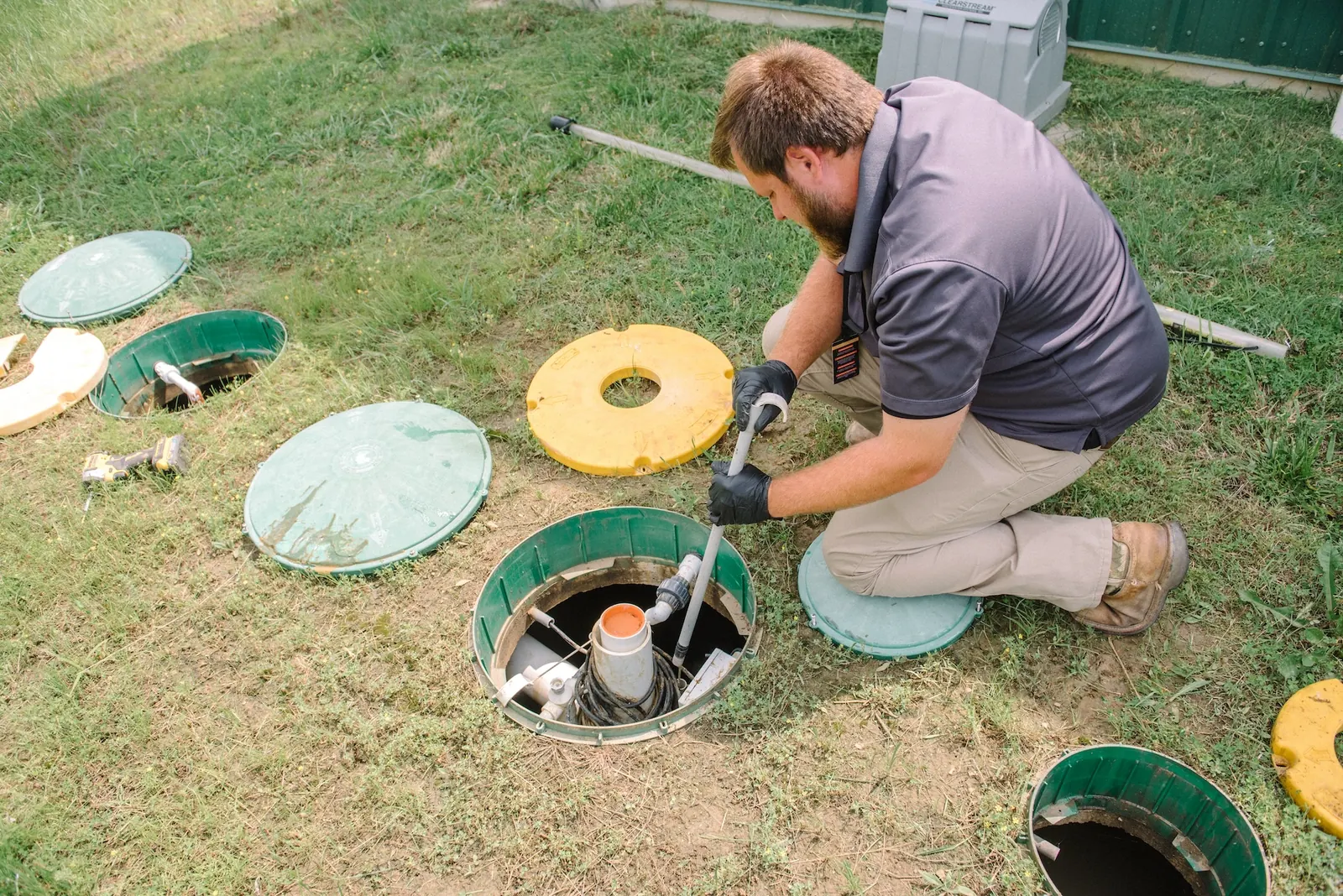
SEPTIC INSPECTION IN MENIFEE, CA
Clearer Septic Information Before Your Next Decision
A septic inspection in Menifee, CA can give you clearer information about accessible system condition before maintenance, repair, or a property decision. Call today for a fast, free estimate.
- Licensed & Insured
- Locally Owned
- Serving Since 2016
Get a Free Estimate
Home › Residential Septic Services › Septic Inspections
When you are unsure how a septic system is performing, an inspection can turn scattered symptoms and incomplete records into a more organized picture. Menifee Septic Service helps homeowners review accessible components, visible conditions, and the reason for the inspection so the findings are useful for the decision in front of you.
An inspection may be requested because something has changed, because service history is limited, or because you want more information before authorizing work. If the findings point to a mechanical or structural concern, our septic system repair service may be relevant. If accumulated solids are part of the maintenance picture, septic tank pumping can be discussed separately. When visible conditions suggest a disposal-area problem, drain field repair may require a closer look at that part of the system.
The purpose of an inspection is not to make every hidden part of an underground system seem certain. It is to collect useful evidence from the accessible system and surrounding conditions, explain what those observations mean, and identify when additional service or evaluation makes sense.
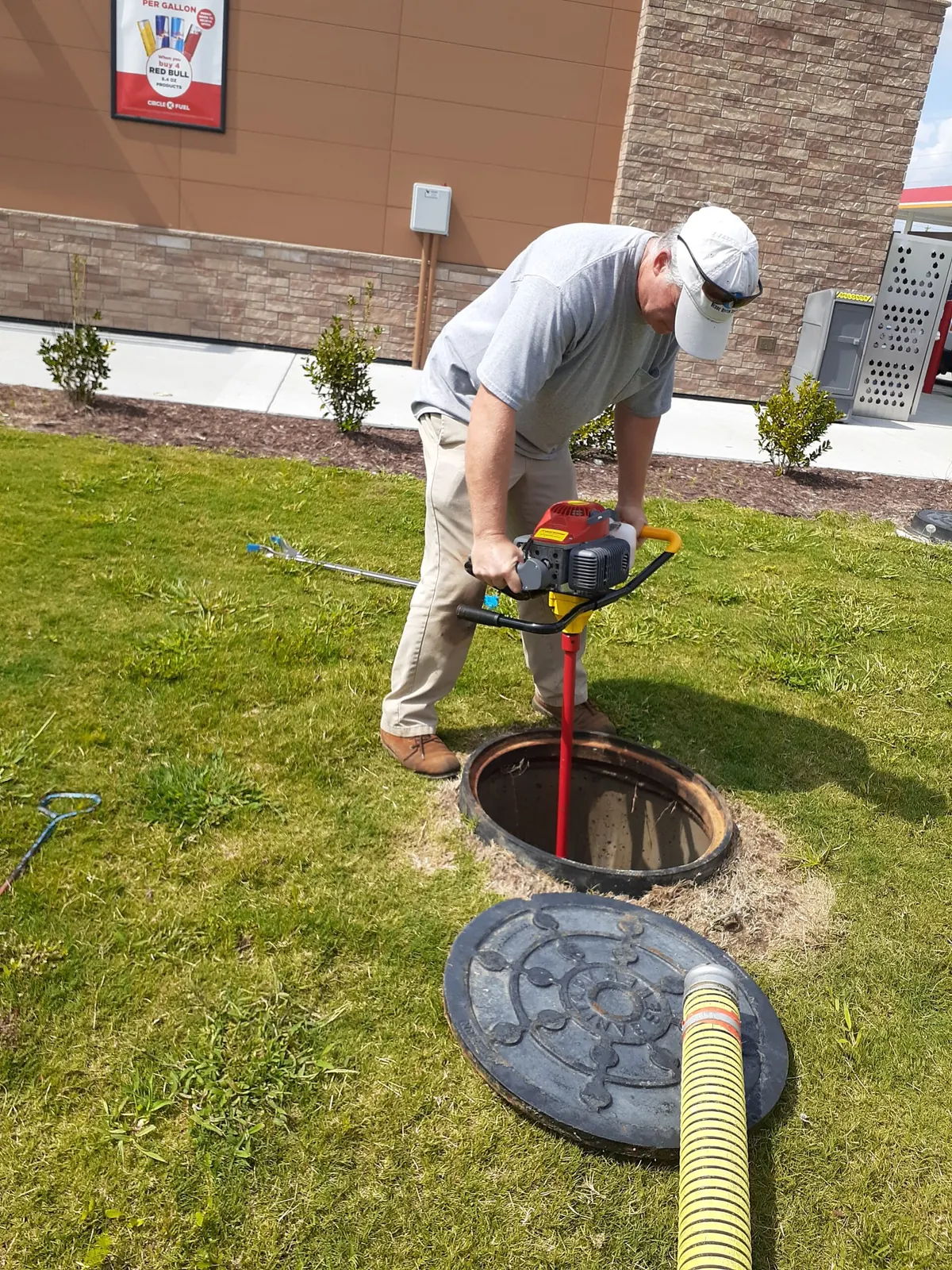
Use an Inspection to Replace Guesswork With Useful Information
Homeowners call for inspections for different reasons. Some are dealing with an odor, slow drainage, or an alarm and want to know whether the septic system is involved. Others have no immediate emergency but have limited maintenance records and want a better understanding of the system before deciding what service should come next.
An inspection is especially useful when several pieces of information need to be considered together. That may include recent pumping history, visible access points, tank condition where accessible, signs of leakage or backup, pump or control behavior on systems that use them, and conditions near the disposal area.
Useful reasons to request an inspection include:
- You do not know when the system was last professionally reviewed.
- Several fixtures are draining differently and the cause is unclear.
- You have noticed odors, wet areas, alarms, or recurring backups.
- You want to understand accessible condition before planning a repair.
- You need clearer septic information before making a property-related decision.
The value comes from connecting observations to a next step instead of assuming one symptom automatically means pumping, repair, or replacement.
What We Look for Around Accessible Septic Components
Septic systems vary, so the exact inspection depends on what components are present and reasonably accessible. A typical review may consider the tank and its visible condition, inlet and outlet areas where they can be observed, evidence of leakage or backup, lids or risers, and the way wastewater appears to be moving through accessible portions of the system.
Systems with pumps, floats, controls, or alarms have additional components that may affect how wastewater moves. The surrounding property also matters. Standing water, saturated ground, persistent odors, or uneven conditions around the drain field can provide information that is not visible inside the tank.
An inspection should not be presented as certainty about every buried pipe or every square foot of a drain field. Underground conditions can require additional testing or excavation to confirm. A useful inspection separates what was actually observed from what would need more investigation so you can make decisions without overstating the evidence.
Connect Inspection Findings to the Right Next Step
Inspection findings are most useful when they lead to a specific decision. If the system appears to need routine pumping, that can be scheduled as maintenance. If a lid, baffle, line, pump, float, or other accessible component shows a problem, repair may be the next conversation. If the disposal area shows signs of poor performance, the focus may shift away from the tank and toward the drain field.
Not every observation requires immediate major work. A minor access issue is different from a repeated sewage backup, and a pump alarm is different from a saturated disposal area. We explain the concern in terms of what it affects and what information would be useful next.
That distinction helps homeowners prioritize. It also keeps an inspection from becoming a sales list of unrelated services. The goal is to identify the most relevant next step and explain why it follows from the condition that was observed.
Photos can be useful when they document safe-to-view conditions such as the location of a wet area, an alarm panel display, or visible access points. They are not a substitute for inspecting the system, but they can preserve details that change before a service visit. If an alarm clears or surface water dries, a dated photo may still help explain what you observed and where it occurred.
Inspections Are Useful Even When There Is No Active Backup
Inspections are not only for systems that have already failed. They can also help when a home’s septic history is uncertain or when you are planning work around the property and want to understand where the system components are located. Knowing what is accessible and how the system has been maintained can reduce confusion later.
Property decisions can also benefit from accurate septic records. If previous owners left plans, permits, pumping receipts, repair invoices, or inspection reports, keep those documents together. They can help establish the age and service history of components without relying on memory.
When there is no active problem, an inspection can be approached calmly and deliberately. You have time to gather records, identify access points, and ask questions about normal care. That can make future maintenance easier because you start with a clearer baseline instead of waiting until a backup or alarm forces the issue.
For homeowners who recently moved into a property, an inspection can also help separate confirmed information from assumptions passed along informally. A previous owner may have identified a tank location or service date, but records are more dependable than memory. Starting a new maintenance file with an inspection report, known access locations, and future service notes gives the household a more useful baseline for years ahead.
Know the Limits of an Inspection and Keep the Findings Useful
The U.S. Environmental Protection Agency’s guidance on resolving septic system malfunctions describes inspection items such as signs of leakage or backup, tank and piping integrity, electrical connections and pumps, drain field conditions, and distribution components. It also notes that some conditions may require additional evaluation beyond what is immediately visible.
That is a useful way to think about any septic inspection: observations have boundaries. Weather, access, buried components, system design, and the reason for the inspection can all affect what can be confirmed during a particular visit. A responsible report should make those boundaries clear instead of implying that an inaccessible condition was directly observed.
Keep the inspection findings with your septic records. If service is performed later, add the repair or maintenance notes to the same file. Over time, that history becomes more valuable because future decisions can be compared with documented past conditions rather than starting from zero each time.
Common Questions About Residential Septic Inspections
What can a septic inspection tell me?
It can document accessible component condition, visible signs of leakage or backup, pump or control concerns when present, and conditions around the disposal area. The exact observations depend on the system and what can be safely accessed.
Does a septic inspection guarantee that every buried component is in good condition?
No. Some piping, soil conditions, and underground components cannot be fully evaluated without additional testing or excavation. An inspection should distinguish what was observed from what remains hidden.
Should I have the tank pumped before an inspection?
That depends on the purpose of the inspection and the system history. Tell us what you are trying to learn and when the tank was last serviced so the sequence can be discussed appropriately.
What records should I have available for an inspection?
Bring any system plans, prior inspection reports, pumping receipts, repair invoices, alarm history, and notes about recent symptoms. Even partial records can make the findings easier to interpret.