
COMMERCIAL WASTEWATER SERVICES HESPERIA CA
Commercial Wastewater Services for Hesperia Properties
Commercial wastewater services for Hesperia properties begin with understanding how the site uses water, then matching septic care to that reality. Call today for a fast, free estimate.
- Licensed & Insured
- Locally Owned
- Serving Since 2016
Get a Free Estimate
Home › Commercial Septic Services › Commercial Wastewater Services
Commercial wastewater needs are easier to manage when the property’s system, usage pattern, and service history are discussed together. Hesperia Septic Service speaks with business owners about changing facility use, maintenance planning, wastewater concerns, system questions, or a need to coordinate service around operations, then helps sort out the service that fits the concern instead of applying a one-size-fits-all answer. This helps guide Commercial Wastewater Services planning.
For commercial wastewater services, the most useful starting information is daily use patterns, known system components, property records, and the timing that works for the facility. That context helps us explain what we can prepare for, what may need to be checked on site, and what is not safe or sensible to assume from a symptom alone. That clarity supports Commercial Wastewater Services decisions.
Septic systems are connected, but routine wastewater service, septic maintenance, and a component condition that needs a more focused repair conversation are not interchangeable. A clear conversation can save an owner from scheduling work that does not address the question they actually have. Commercial Wastewater Services owners can use that context.
- Share the property address and the reason you are calling.
- Mention recent pumping, inspections, repairs, alarms, or changes in use.
- Keep known access routes clear when practical, without attempting to open a tank.
- Tell us whether the concern is routine planning or an active condition.
We keep the estimate discussion focused on the property and the outcome you need: dependable routine care, useful information, or a reasonable next step when something has changed. It keeps Commercial Wastewater Services service focused.
Customers are not expected to identify a buried component before calling. A short description of the change, paired with the property history that is available, is enough to begin a useful commercial wastewater services conversation and to avoid guessing about work that may not fit the condition. For commercial wastewater services, daily use patterns, known system components, property records, and the timing that works for the facility should guide the conversation. That detail matters for Commercial Wastewater Services.
Before the appointment, note the property address, the change you noticed, recent service, and any safe access detail. That concise history helps make commercial wastewater services questions, timing, and recommendations more relevant to the property. This helps guide Commercial Wastewater Services planning.
Understanding the Current Need
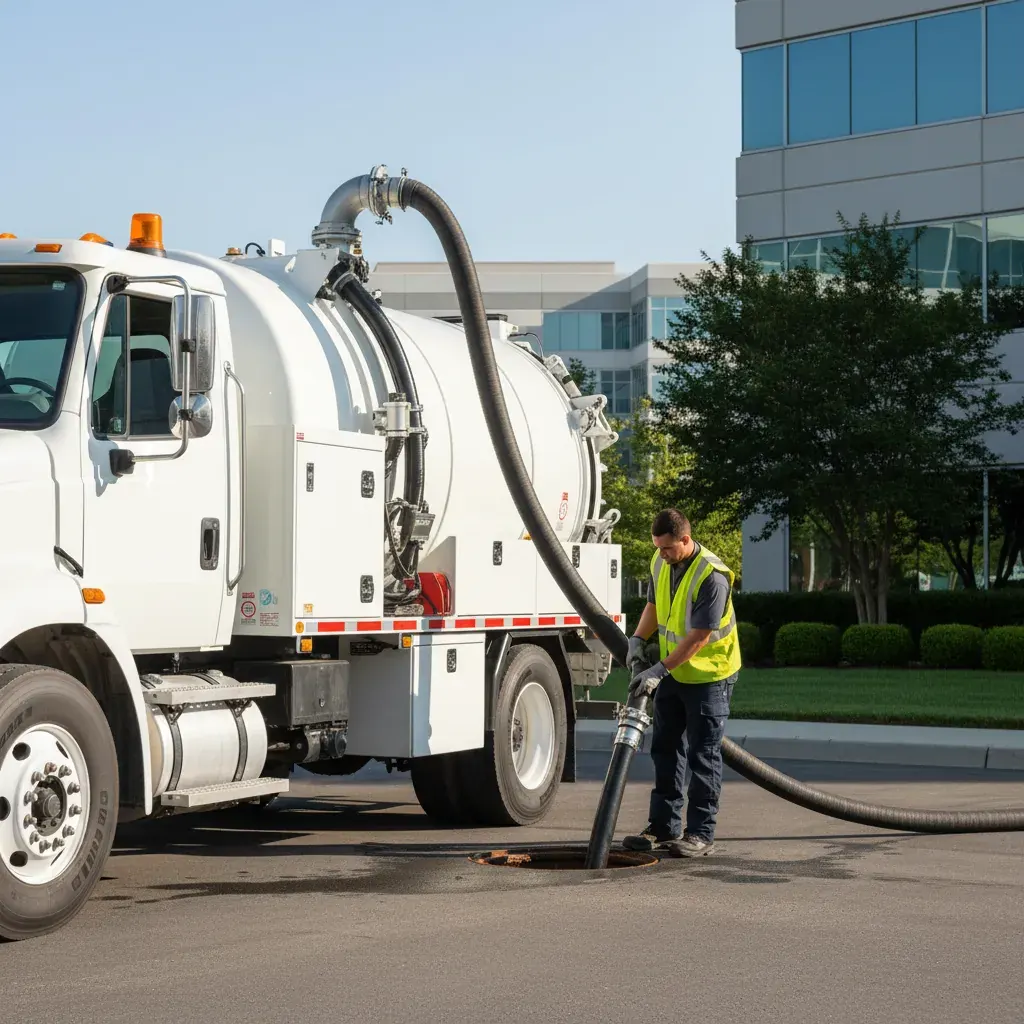
Commercial Wastewater Services is often requested after changing facility use, maintenance planning, wastewater concerns, system questions, or a need to coordinate service around operations. Those situations can look similar at first, yet the right response depends on the service history and what is happening now. This helps guide Commercial Wastewater Services planning.
When routine tank care is the concern, commercial septic pumping may be the appropriate starting point. When the question is more specific, we explain how the requested service relates to the rest of the system before treating a maintenance visit as a repair. That clarity supports Commercial Wastewater Services decisions.
Our goal is to make the conversation easier to follow. We ask practical questions, review the information available at the property, and describe the work in everyday terms rather than asking you to diagnose buried equipment yourself. Commercial Wastewater Services owners can use that context.
If an accessible condition points beyond the requested service, that does not mean every component has failed. It means the next recommendation should match the evidence and the customer’s actual decision. It keeps Commercial Wastewater Services service focused.
Daily use can matter as much as the visible symptom. Changes in occupancy, fixture use, business activity, water habits, or the time since the last service can explain why a system that seemed predictable now needs attention. For commercial wastewater services, daily use patterns, known system components, property records, and the timing that works for the facility should guide the conversation. That detail matters for Commercial Wastewater Services.
What to Expect During Service
A well-planned commercial wastewater services visit begins with a realistic picture of daily use patterns, known system components, property records, and the timing that works for the facility. Access, records, current symptoms, and the property’s everyday use can all affect what is practical to do and explain during the appointment. This helps guide Commercial Wastewater Services planning.
We work carefully around the property and communicate what the service is designed to address. Commercial Wastewater Services may solve one clear need, while a repeated symptom can indicate that an additional conversation is more useful than repeating the same appointment. That clarity supports Commercial Wastewater Services decisions.
Owners who want a clearer view of accessible conditions can consider commercial septic inspections. An inspection is not a substitute for every repair decision, but it can organize questions about a system with limited records or a changing condition. Commercial Wastewater Services owners can use that context.
- Use prior invoices or notes to establish a useful timeline.
- Point out safe, known access areas and any recent changes.
- Describe which rooms, buildings, or outdoor areas are affected.
- Ask what the requested service can reasonably confirm and what it cannot.
This approach keeps commercial wastewater services customer-focused: you receive understandable information and can decide whether routine service, further review, or a targeted repair is the sensible path. It keeps Commercial Wastewater Services service focused.
Access is part of good planning, but it should never put the customer at risk. If tank lids, pump equipment, or electrical controls are not safely accessible, say what you know and let trained service personnel handle the next step. For commercial wastewater services, daily use patterns, known system components, property records, and the timing that works for the facility should guide the conversation. That detail matters for Commercial Wastewater Services.
Habits and Conditions Worth Sharing
daily use patterns, known system components, property records, and the timing that works for the facility can influence both the service plan and the questions worth asking. Conditions at one property may not apply to another, especially when use, access, or equipment has changed over time. This helps guide Commercial Wastewater Services planning.
A recurring issue deserves attention even when a recent visit addressed part of the system. For example, restoring tank capacity does not automatically correct a damaged line, a pump or control concern, or a disposal-area issue. That clarity supports Commercial Wastewater Services decisions.
When the pattern suggests a component problem, commercial septic repair can be the better conversation. We explain why a different path may be appropriate instead of using technical language to make an ordinary decision feel more complicated. Commercial Wastewater Services owners can use that context.
Good records also help later. A dated note about what changed, what service was completed, and what was observed gives the next appointment a stronger starting point than memory alone. It keeps Commercial Wastewater Services service focused.
A useful estimate respects uncertainty. It explains the service under consideration, the information already available, and the conditions that may change the work after safe access or further evaluation is possible. For commercial wastewater services, daily use patterns, known system components, property records, and the timing that works for the facility should guide the conversation. That detail matters for Commercial Wastewater Services.
Useful Guidance Before Work Begins
Property owners often want to know what can affect the cost and timing of commercial wastewater services. The answer depends on the work being discussed, access conditions, the equipment involved, and whether the request is routine service or a response to an active symptom. This helps guide Commercial Wastewater Services planning.
We do not invent a price before understanding the property. A clear estimate should identify the service being considered and flag assumptions that may need to be confirmed when access, system condition, or additional work changes the conversation. That clarity supports Commercial Wastewater Services decisions.
San Bernardino County Environmental Health Services provides onsite wastewater information for owners planning septic-related work. That public resource can help with broader questions while we stay focused on the service and property details in front of us. Commercial Wastewater Services owners can use that context.
For safety, do not enter a septic tank, move a heavy lid, or attempt to inspect electrical equipment yourself. Sharing what you can observe from a safe distance is enough to begin a useful call. It keeps Commercial Wastewater Services service focused.
Our role is to make septic service understandable for the people who live or work on the property. We listen to the concern, explain practical options, and avoid promising that a single service will solve a condition it was not designed to address. For commercial wastewater services, daily use patterns, known system components, property records, and the timing that works for the facility should guide the conversation. That detail matters for Commercial Wastewater Services.
A Better Way to Plan the Next Step
Hesperia Septic Service helps business owners approach commercial wastewater services with clear communication, respectful attention to the property, and an estimate based on the current need. We do not expect customers to know every septic term before they call. This helps guide Commercial Wastewater Services planning.
The most useful appointment is one where you understand what was requested, what information matters, and why a later maintenance, inspection, or repair conversation may be recommended. That makes decisions easier after the visit as well as before it. That clarity supports Commercial Wastewater Services decisions.
When you are ready, tell us the property location, what has changed, and the service you are considering. We will help you choose a practical next step and provide a fast, free estimate. Commercial Wastewater Services owners can use that context.
Customers are not expected to identify a buried component before calling. A short description of the change, paired with the property history that is available, is enough to begin a useful commercial wastewater services conversation and to avoid guessing about work that may not fit the condition. For commercial wastewater services, daily use patterns, known system components, property records, and the timing that works for the facility should guide the conversation. It keeps Commercial Wastewater Services service focused.
Commercial Wastewater Service Questions
How do I know whether commercial wastewater services is the right service?
Tell us what changed, what service has been done recently, and what you know about the property. We can explain whether this service is a sensible starting point or whether another conversation may fit better. This helps guide Commercial Wastewater Services planning.
What should I have ready before I call?
The property address, a brief description of the concern, known tank or equipment information, and prior service notes are all helpful. You do not need to diagnose the system before requesting an estimate. Commercial Wastewater Services owners can use that context.
Can this service fix every septic problem?
No. Commercial Wastewater Services addresses a particular need. If the condition points to another component or a recurring issue, we explain the reason a different inspection, maintenance, or repair step may be useful. That detail matters for Commercial Wastewater Services.
How can I make the visit easier to plan?
Keep pets secure, mention known access details, and share any change in drainage, alarms, odors, or property use. Do not open tanks or electrical panels yourself. That clarity supports Commercial Wastewater Services decisions.