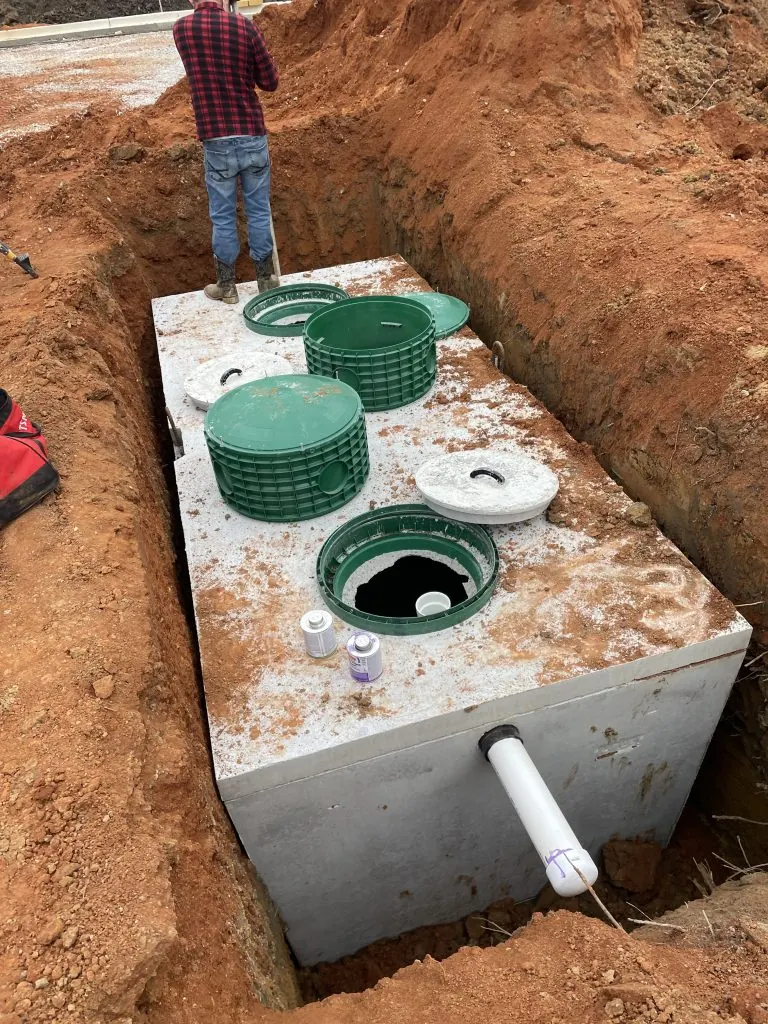
SEPTIC SYSTEM REPLACEMENT IN MENIFEE, CA
Septic System Replacement for Menifee Homes
When an existing system can no longer be repaired practically, septic system replacement in Menifee, CA creates a path to reliable wastewater treatment. Call today for a fast, free estimate.
- Licensed & Insured
- Locally Owned
- Serving Since 2016
Get a Free Estimate
Home › Residential Septic Services › Septic System Replacement
Replacing a septic system is a larger decision than repairing one component. The existing tank, piping, distribution equipment, pump components, and drain field all have to be considered along with the property’s current needs. The objective is not to copy an old system automatically. It is to understand why the existing system is no longer serving the property and plan the replacement around current conditions and the approved design.
Menifee Septic Service helps homeowners make that transition with clear explanations about what replacement involves. If the concern may still be repairable, start with our septic tank repair information. If the project already has a new-system design, our septic tank installation page explains more about the construction side.
Replacement should be a reasoned next step, not a conclusion based on one bad day. We focus on the existing system history, the condition causing the problem, and what the property needs from the new system.
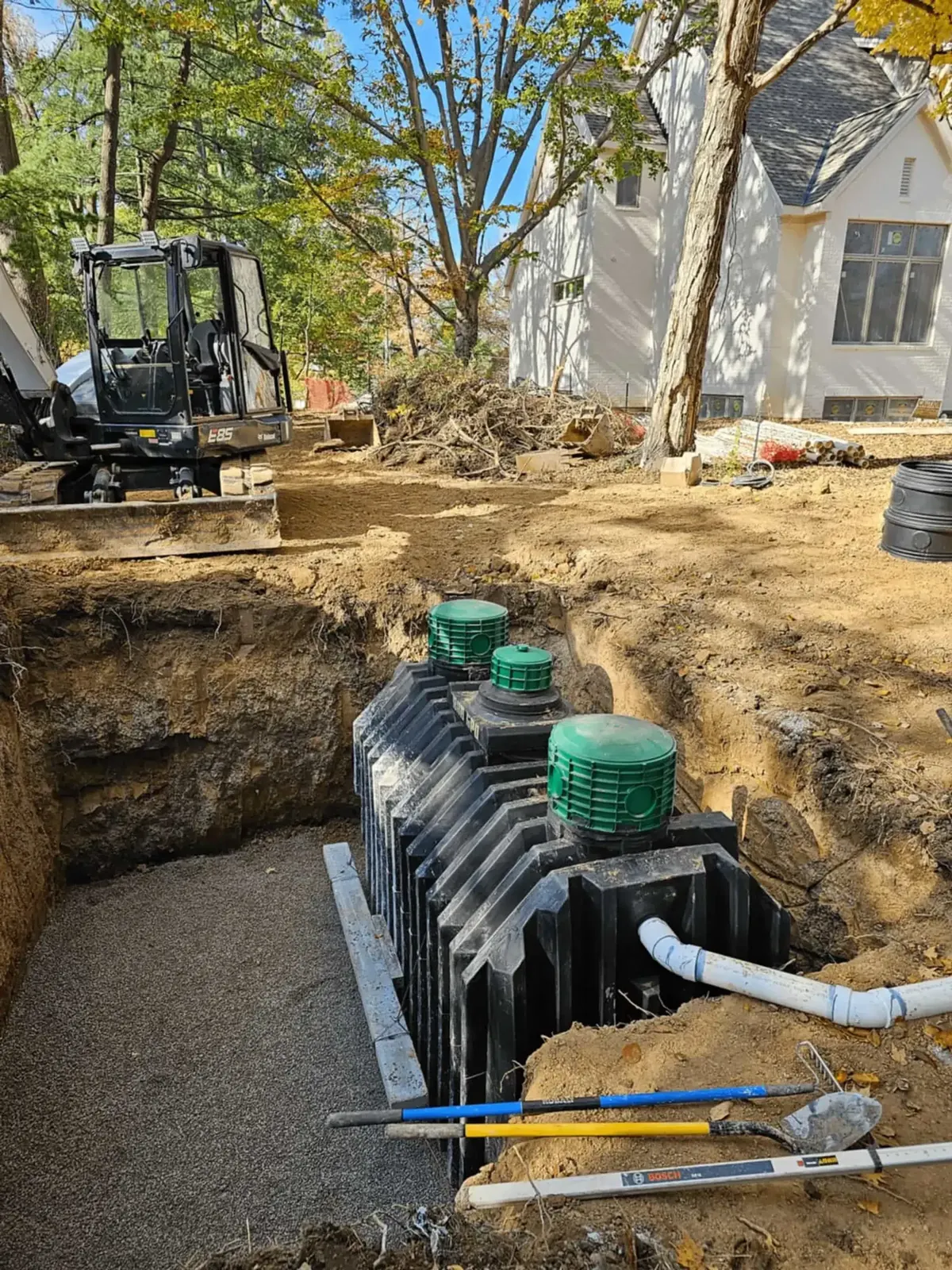
When Repair Stops Being the Practical Answer
Some septic problems are well suited to repair. Others keep returning because the issue is more extensive than one damaged part. Replacement becomes a practical discussion when major components are deteriorated, a disposal area is no longer functioning as intended, the system no longer fits the property’s needs, or repeated repairs are not producing a reliable result.
Signs that can lead to a replacement conversation include:
- Chronic backups or wastewater surfacing after other causes have been addressed.
- Severe tank deterioration or multiple failing components.
- Drain field performance problems that cannot be solved with a reasonable repair.
- A system layout that must change for an approved property project.
- Repair history showing that the same major problems continue to return.
None of these automatically proves that the whole system must be replaced. The point is to understand the complete condition before investing in another narrow repair. A good replacement decision should explain why the larger project is justified and what the new system is expected to solve.
Replacement Starts With Understanding the Existing System
Existing-system information is valuable because it shows where the property is starting. Service records can reveal pumping intervals, previous repairs, recurring symptoms, and whether the same part of the system has been a problem before. Old plans or permit records may also help identify tank size, component locations, and the original disposal area.
The physical condition matters just as much as the paperwork. Access points, visible tank condition, pumps or controls, piping, and the drain field can all influence how the old system is taken out of service and how the new system is planned. Replacement is not simply a larger pump-out; it is a transition from one wastewater system to another.
For homeowners, gathering records before the project can save confusion. Keep previous inspection notes, repair invoices, pumping dates, and any county documents together. Even incomplete history can help separate long-term system issues from a recent isolated problem.
Photographs, sketches, or notes from prior service can be useful even when formal plans are incomplete. They may show where access points were found, which components were repaired, or how the property looked before later landscaping changes. These records do not replace an approved design or site evaluation, but they can help explain the history of a system that has been altered or serviced over many years.
Planning the New Tank and Disposal Area
The replacement system needs to work as a complete onsite wastewater treatment system. Tank capacity, inlet and outlet connections, distribution, disposal area, setbacks, elevations, and any pump components should reflect the approved design for the property. The old tank location may or may not be the right location for the new system.
The disposal area deserves particular attention because it is responsible for accepting and treating effluent after it leaves the tank. If the reason for replacement involves the drain field, the new plan must address that condition rather than simply installing a new tank upstream of the same problem.
Future maintenance should also be considered. Accessible lids or risers and a practical service path make routine pumping and inspection easier after the project is complete. Replacement is a chance to think beyond the immediate failure and make sure the new system can be cared for over its service life.
What Can Affect a Replacement Project
Replacement projects vary because properties vary. Available space, slopes, existing structures, driveways, landscaping, utilities, the location of the old system, and access for excavation can all affect how the project is staged. A property that has changed significantly since the original septic system was installed may present different constraints today.
Homeowners can help by identifying planned property changes before the replacement is finalized. Additions, accessory buildings, pools, driveway work, or major landscaping can conflict with septic areas if they are planned separately. Mentioning those projects early allows the septic design and property plans to be considered together.
There may also be practical questions about how the household will use the property during work. We explain the expected work area and sequencing once the design and site conditions are clear. That gives you useful information for gates, pets, parking, landscaping, and access without promising a generic construction schedule that may not fit the property.
Replacement also creates a transition period between the old system and the new one. Homeowners should understand which existing components are being addressed, what areas of the property are part of the new design, and how future access will be handled. That conversation is especially important on properties where landscaping, driveways, or later construction have grown around the original system. Ask where the service points for the new system will be and keep the final project information with your property records. The goal is not only to correct the current failure. It is to leave you with a system layout you can identify, maintain, and discuss accurately the next time routine septic service is needed.
County Review and Property-Specific Requirements
Riverside County Environmental Health publishes requirements for onsite wastewater treatment systems. Replacement projects may involve review based on the type of work, property conditions, and the proposed system. Current county guidance is more reliable than assuming the process used for an older system still applies unchanged.
The county’s current onsite wastewater treatment system guidance provides public information about the local program. Property-specific design and review questions should follow the applicable county process and approved project documents.
If you are deciding whether a failing system should be repaired or replaced, share the service history and symptoms you already have. If replacement is already the direction, share any plans or county records available. For an estimate conversation, use our contact page so we can start with the actual project stage.
Septic System Replacement FAQs
How do I know if my septic system needs replacement instead of repair?
Replacement is more likely to be considered when major problems keep returning, key components cannot be repaired reliably, or the disposal area is no longer functioning as intended. A whole-system look is more useful than deciding from one symptom.
Does replacement always mean a new tank and drain field?
Not every property follows the same plan. The approved replacement design determines which components are included and how they are arranged. The existing system condition and site constraints also affect the project.
Can the replacement system use the same location?
Sometimes, but it should not be assumed. The current design, setbacks, disposal area requirements, access, property improvements, and the condition of the existing system all influence placement.
What records should I gather before discussing replacement?
Bring any septic plans, permits, inspection reports, pumping history, repair invoices, and notes about recurring symptoms. Those records help explain what has already happened and give the replacement conversation better context.