EMERGENCY SEPTIC SERVICE IN MENIFEE, CA
Urgent Help for Backups, Overflows, Alarms, and Sudden Septic Problems
When a backup, overflow, alarm, or sudden septic problem cannot wait for routine maintenance, emergency septic service in Menifee, CA helps identify the safest next step. Call today for a fast, free estimate.
- Licensed & Insured
- Locally Owned
- Serving Since 2016
Get a Free Estimate
Home › Residential Septic Services › Emergency Septic Service
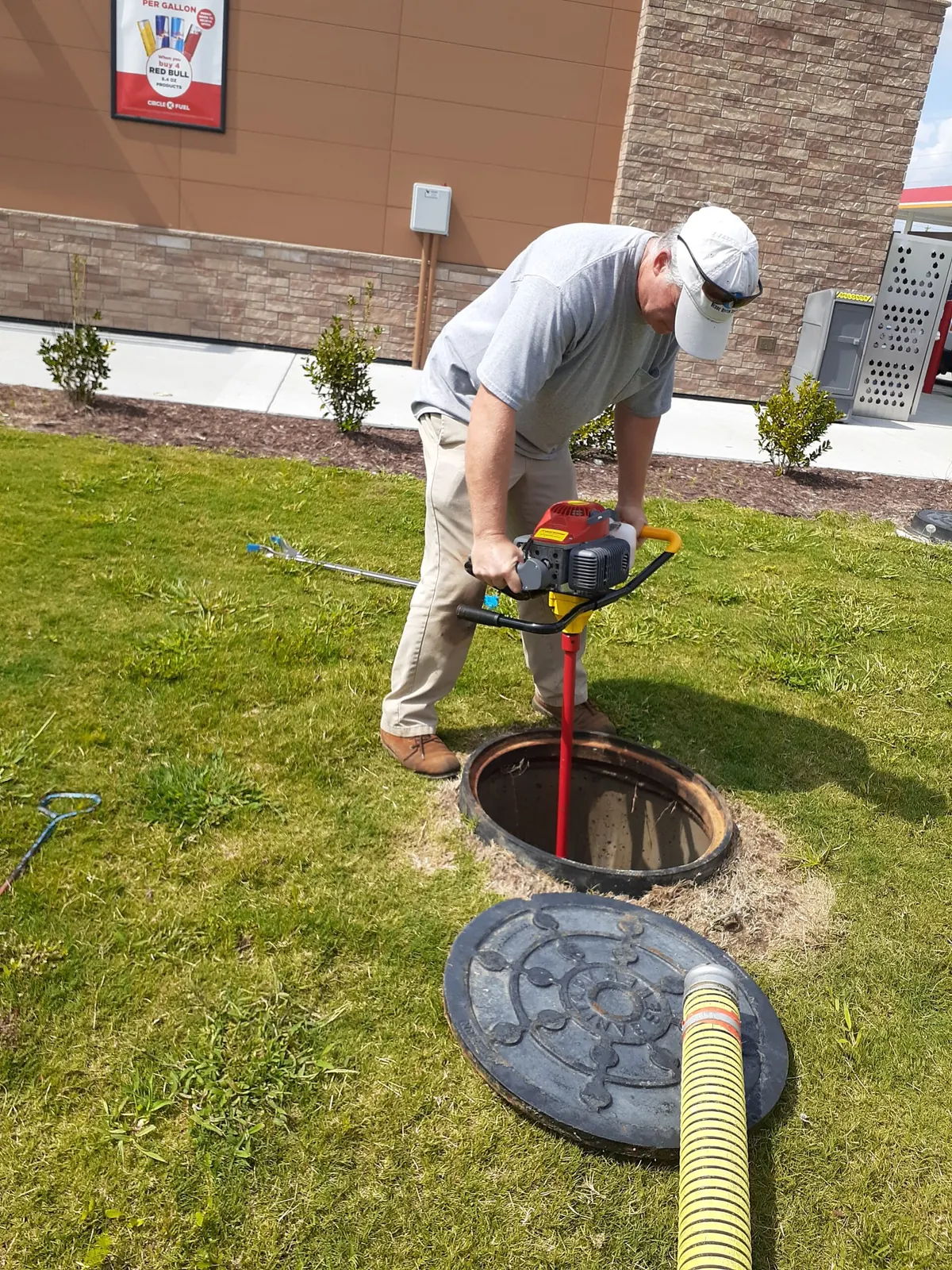
A sudden septic problem can affect bathrooms, drains, outdoor areas, and the way you use the home. When sewage is backing up, an alarm is active, wastewater is surfacing, or several fixtures stop draining normally, the first priority is to reduce exposure and avoid adding unnecessary load while you determine what service is needed.
Menifee Septic Service helps homeowners sort urgent symptoms into a practical next step. Some situations call for septic tank pumping to address an overfull tank, while others point to septic system repair or a septic pump repair when a mechanical component is involved. The right response depends on what is happening, not simply on how stressful the symptom feels.
If you are dealing with an urgent septic problem, contact us to discuss the situation and available service options. Call with the details you have so the urgency and most appropriate service path can be discussed clearly.
Know Which Septic Problems Need Prompt Attention
Some septic symptoms can be monitored until a normal service appointment. Others deserve prompt attention because wastewater is no longer contained or the household may be close to losing normal plumbing use. The more severe the symptom, the more important it is to stop treating it as routine maintenance.
Urgent situations can include:
- Sewage backing up into tubs, showers, toilets, or floor drains.
- Wastewater surfacing around the tank, pump chamber, or drain field.
- A high-water alarm combined with poor drainage or a rising chamber.
- Multiple household fixtures suddenly draining very slowly.
- A septic pump failure that prevents wastewater from moving.
- Strong sewage odors accompanied by wet ground or backup symptoms.
A single clogged sink can still be a plumbing issue rather than a septic emergency. Look at the whole pattern. Several fixtures changing at once, visible sewage, or an active system alarm provides stronger evidence that the onsite wastewater system needs attention.
Protect People and Property While You Arrange Service
If sewage has backed up or surfaced, avoid direct contact. Keep children and pets away from affected areas and do not try to handle wastewater without appropriate protection. Reduce unnecessary water use until the system can be evaluated so you are not adding more flow to a condition that may already be overloaded.
Do not open or enter a septic tank. Septic tanks and pump chambers can contain dangerous gases and should never be treated like a normal utility box. Leave lids and components alone unless you are following safe instructions for an accessible alarm panel or another user-serviceable control.
If wastewater is inside the home, protect the area from additional use where practical and focus on safe cleanup after the septic or plumbing cause has been addressed. The immediate objective is to stop making the condition worse while getting the right professional help involved.
If an affected area can be isolated safely, keep people out of it until cleanup is appropriate. Avoid trying to wash sewage into another drain or onto the property, because that can spread contamination and add more wastewater to a stressed system. The immediate response should reduce exposure and loading, not move the problem from one place to another.
Give Us the Details That Help Narrow Down the Problem
When you call, clear details can save time. Start with what you are seeing right now, then describe what happened before the problem appeared. If the system has an alarm, tell us what the panel shows. If there is a backup, say which fixtures are affected and whether the problem is limited to one drain or spread throughout the home.
Useful information includes:
- The last known pumping or cleaning date.
- Whether the system uses a pump or alarm panel.
- Any recent septic repair or recurring symptom.
- Whether heavy water use happened shortly before the problem.
- Where wet ground, odors, or surfacing wastewater are located.
- Any system plans, access locations, or service records you can quickly find.
You do not need to diagnose the system yourself. Accurate observations are more useful than guessing which component failed.
Also mention whether the problem developed gradually or all at once. A week of increasingly slow drainage tells a different story from a sudden backup immediately after unusually heavy water use. If the property has had the same symptom before, say what service was performed at that time and how long the improvement lasted. Recurring history can point the conversation toward a cause that deserves more than temporary relief.
Different Emergencies Can Require Different Septic Services
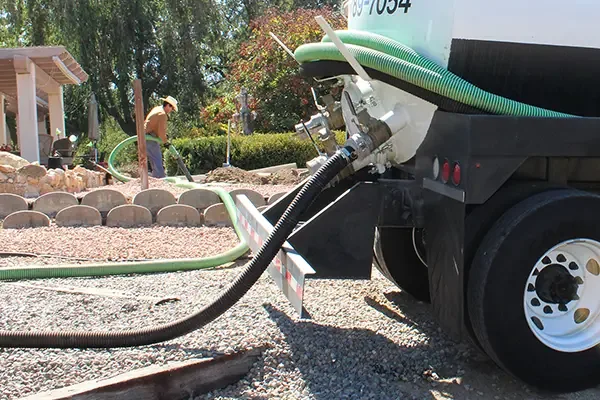
An emergency backup can have several causes. An overfull tank may need pumping. A damaged baffle, blocked line, or other accessible component may need repair. A pump system may have stopped moving wastewater. A drain field may be saturated or failing to accept effluent. In some cases, a household plumbing blockage can create symptoms that seem septic-related.
That is why the first service should fit the evidence. Pumping can relieve a full tank, but it will not permanently correct a failed pump or disposal area. Replacing a pump will not solve a blocked building sewer. A useful emergency response identifies which immediate action is reasonable and what follow-up may still be needed.
If temporary relief is possible, we explain what it does and does not solve. That helps you avoid mistaking a short-term improvement for proof that the underlying problem is gone.
In some situations the first safe step is simply to stop using the system heavily until the likely cause is understood. That is not a repair by itself, but it can prevent a manageable high-water condition from becoming an indoor overflow. Once the system is evaluated, normal use should follow the actual condition and the service that was performed rather than a generic rule.
After the Immediate Problem, Address the Reason It Happened
The U.S. Environmental Protection Agency’s septic malfunction guidance advises avoiding contact with sewage backups and lists warning signs such as slow drains, gurgling, standing water, damp spots, odors, and surfacing wastewater around septic components. Those signs are useful even after the immediate backup has been controlled.
Once the urgent condition is stable, ask why it happened. If the tank was overdue for pumping, update the maintenance record. If a pump or float failed, keep the repair details. If the drain field shows continuing problems, do not assume pumping alone finished the job. Recurring emergencies are a reason to look beyond the immediate symptom.
The best outcome is not only getting through today’s problem. It is leaving with a clearer understanding of what caused it, what was done, and what you should watch for next so the same warning signs are easier to recognize in the future.
Common Questions About Emergency Septic Service
What should I do first if sewage is backing up into the house?
Stop adding unnecessary wastewater, keep people and pets away from sewage, and arrange professional help. Avoid opening or entering septic tanks or chambers. If the backup appears limited to one fixture, a plumbing blockage may also need to be considered.
What should I do when a septic problem feels urgent?
Call with the current symptoms and explain whether you are seeing a backup, alarm, overflow, or another immediate concern. We can discuss the situation and the service options available for the problem you are experiencing.
Will pumping the tank fix an emergency septic backup?
It can help when an overfull tank is part of the problem, but backups can also come from blocked lines, pump failures, damaged components, or drain field issues. The cause determines whether pumping is the complete solution.
What details should I have ready when I call?
Describe where the backup or overflow is occurring, which fixtures are affected, whether an alarm is active, when the tank was last pumped, and any recent repair history. Photos of safe-to-view outdoor conditions can also be useful context.