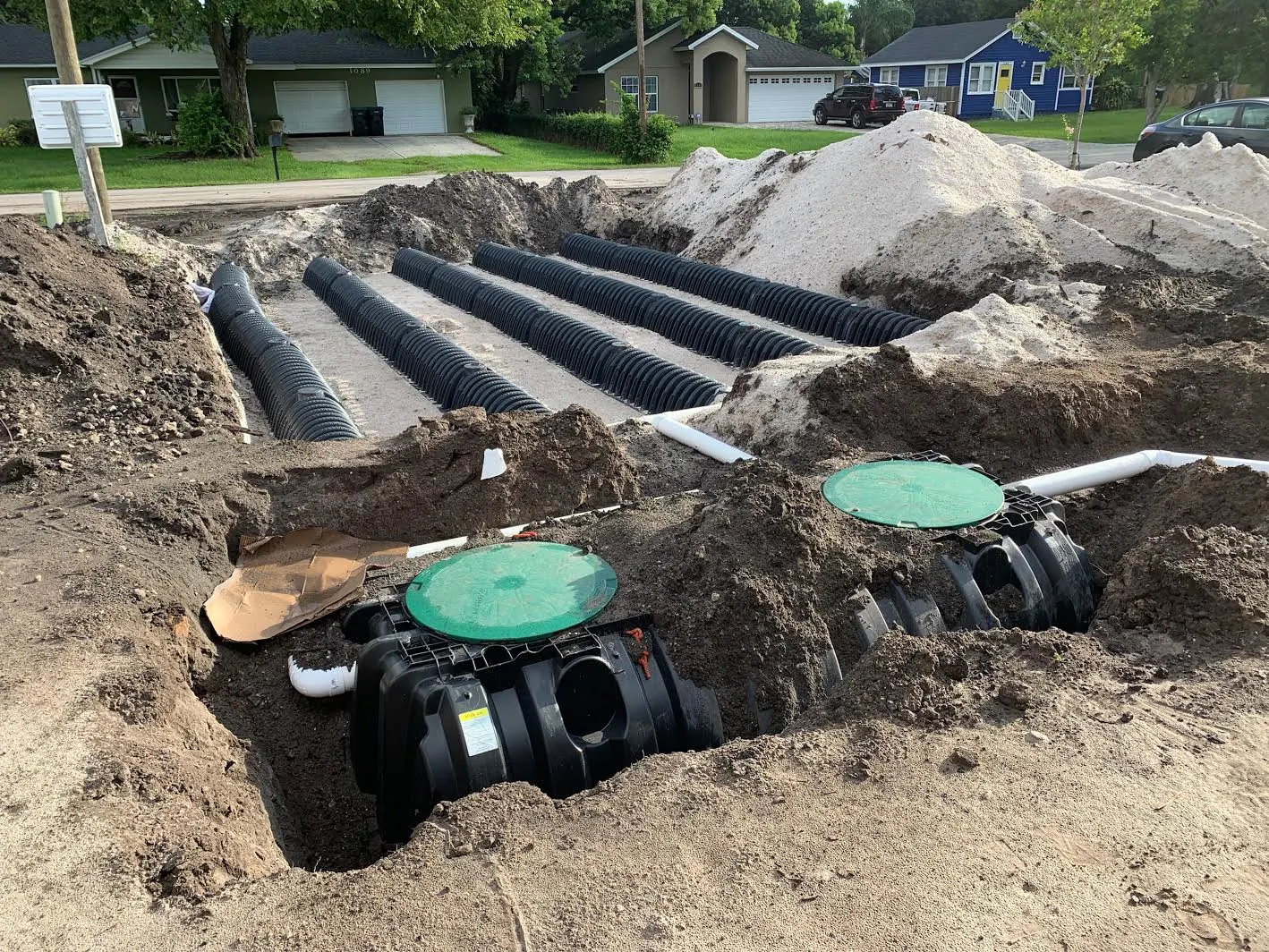
DRAIN FIELD REPAIR HESPERIA CA
Drain Field and Leach Field Repair for Hesperia Properties
Drain-field concerns deserve a careful response because the part of the system below the ground can affect how a Hesperia property handles wastewater every day. Call today for a fast, free estimate.
- Licensed & Insured
- Locally Owned
- Serving Since 2016
Get a Free Estimate
Home › Residential Septic Services › Drain Field and Leach Field Repair
Drain-field concerns affect how wastewater leaves the system, so a careful assessment matters more than a quick assumption. Hesperia Septic Service speaks with homeowners about wet or soft ground, odors, wastewater surfacing, widespread slow drainage, or a system that quickly returns to trouble, then helps sort out the service that fits the concern instead of applying a one-size-fits-all answer. This helps guide Drain Field and Leach Field Repair planning.
For drain field and leach field repair, the most useful starting information is the pattern of symptoms, irrigation and runoff near septic areas, recent pumping, and any change in property use. That context helps us explain what we can prepare for, what may need to be checked on site, and what is not safe or sensible to assume from a symptom alone. That clarity supports Drain Field and Leach Field Repair decisions.
Septic systems are connected, but a disposal-area concern, a tank-maintenance need, and a problem involving another accessible component are not interchangeable. A clear conversation can save an owner from scheduling work that does not address the question they actually have. Drain Field and Leach Field Repair owners can use that context.
- Share the property address and the reason you are calling.
- Mention recent pumping, inspections, repairs, alarms, or changes in use.
- Keep known access routes clear when practical, without attempting to open a tank.
- Tell us whether the concern is routine planning or an active condition.
We keep the estimate discussion focused on the property and the outcome you need: dependable routine care, useful information, or a reasonable next step when something has changed. It keeps Drain Field and Leach Field Repair service focused.
Customers are not expected to identify a buried component before calling. A short description of the change, paired with the property history that is available, is enough to begin a useful drain field and leach field repair conversation and to avoid guessing about work that may not fit the condition. For drain field and leach field repair, the pattern of symptoms, irrigation and runoff near septic areas, recent pumping, and any change in property use should guide the conversation. That detail matters for Drain Field and Leach Field Repair.
Before the appointment, note the property address, the change you noticed, recent service, and any safe access detail. That concise history helps make drain field and leach field repair questions, timing, and recommendations more relevant to the property. This helps guide Drain Field and Leach Field Repair planning.
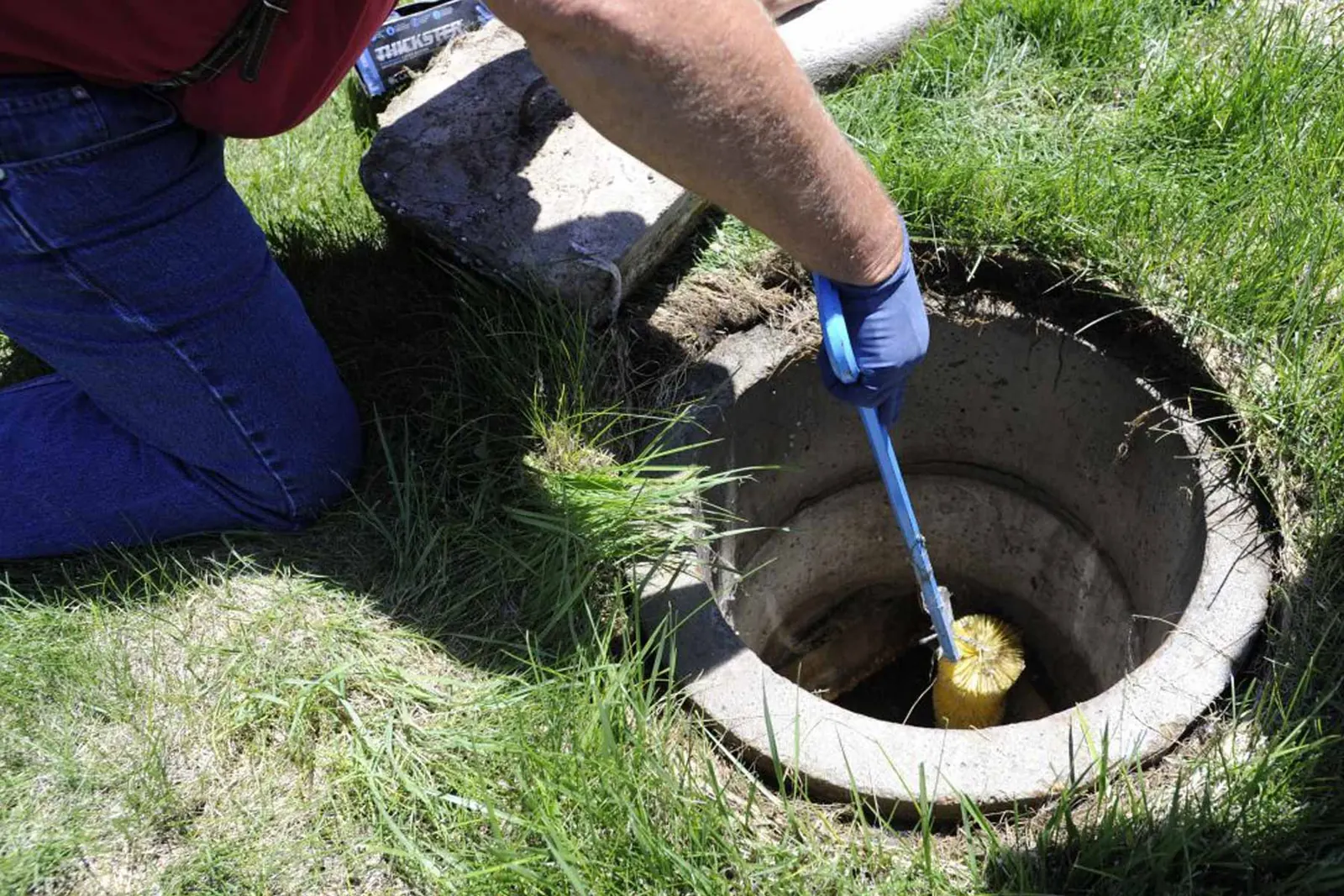
Understanding the Current Need
Drain Field and Leach Field Repair is often requested after wet or soft ground, odors, wastewater surfacing, widespread slow drainage, or a system that quickly returns to trouble. Those situations can look similar at first, yet the right response depends on the service history and what is happening now. This helps guide Drain Field and Leach Field Repair planning.
When routine tank care is the concern, septic tank pumping may be the appropriate starting point. When the question is more specific, we explain how the requested service relates to the rest of the system before treating a maintenance visit as a repair. That clarity supports Drain Field and Leach Field Repair decisions.
Our goal is to make the conversation easier to follow. We ask practical questions, review the information available at the property, and describe the work in everyday terms rather than asking you to diagnose buried equipment yourself. Drain Field and Leach Field Repair owners can use that context.
If an accessible condition points beyond the requested service, that does not mean every component has failed. It means the next recommendation should match the evidence and the customer’s actual decision. It keeps Drain Field and Leach Field Repair service focused.
Daily use can matter as much as the visible symptom. Changes in occupancy, fixture use, business activity, water habits, or the time since the last service can explain why a system that seemed predictable now needs attention. For drain field and leach field repair, the pattern of symptoms, irrigation and runoff near septic areas, recent pumping, and any change in property use should guide the conversation. That detail matters for Drain Field and Leach Field Repair.
What to Expect During Service
A well-planned drain field and leach field repair visit begins with a realistic picture of the pattern of symptoms, irrigation and runoff near septic areas, recent pumping, and any change in property use. Access, records, current symptoms, and the property’s everyday use can all affect what is practical to do and explain during the appointment. This helps guide Drain Field and Leach Field Repair planning.
We work carefully around the property and communicate what the service is designed to address. Drain Field and Leach Field Repair may solve one clear need, while a repeated symptom can indicate that an additional conversation is more useful than repeating the same appointment. That clarity supports Drain Field and Leach Field Repair decisions.
Owners who want a clearer view of accessible conditions can consider septic inspections. An inspection is not a substitute for every repair decision, but it can organize questions about a system with limited records or a changing condition. Drain Field and Leach Field Repair owners can use that context.
- Use prior invoices or notes to establish a useful timeline.
- Point out safe, known access areas and any recent changes.
- Describe which rooms, buildings, or outdoor areas are affected.
- Ask what the requested service can reasonably confirm and what it cannot.
This approach keeps drain field and leach field repair customer-focused: you receive understandable information and can decide whether routine service, further review, or a targeted repair is the sensible path. It keeps Drain Field and Leach Field Repair service focused.
Access is part of good planning, but it should never put the customer at risk. If tank lids, pump equipment, or electrical controls are not safely accessible, say what you know and let trained service personnel handle the next step. For drain field and leach field repair, the pattern of symptoms, irrigation and runoff near septic areas, recent pumping, and any change in property use should guide the conversation. That detail matters for Drain Field and Leach Field Repair.
Habits and Conditions Worth Sharing
the pattern of symptoms, irrigation and runoff near septic areas, recent pumping, and any change in property use can influence both the service plan and the questions worth asking. Conditions at one property may not apply to another, especially when use, access, or equipment has changed over time. This helps guide Drain Field and Leach Field Repair planning.
A recurring issue deserves attention even when a recent visit addressed part of the system. For example, restoring tank capacity does not automatically correct a damaged line, a pump or control concern, or a disposal-area issue. That clarity supports Drain Field and Leach Field Repair decisions.
When the pattern suggests a component problem, septic system repair can be the better conversation. We explain why a different path may be appropriate instead of using technical language to make an ordinary decision feel more complicated. Drain Field and Leach Field Repair owners can use that context.
Good records also help later. A dated note about what changed, what service was completed, and what was observed gives the next appointment a stronger starting point than memory alone. It keeps Drain Field and Leach Field Repair service focused.
A useful estimate respects uncertainty. It explains the service under consideration, the information already available, and the conditions that may change the work after safe access or further evaluation is possible. For drain field and leach field repair, the pattern of symptoms, irrigation and runoff near septic areas, recent pumping, and any change in property use should guide the conversation. That detail matters for Drain Field and Leach Field Repair.
Useful Guidance Before Work Begins
Property owners often want to know what can affect the cost and timing of drain field and leach field repair. The answer depends on the work being discussed, access conditions, the equipment involved, and whether the request is routine service or a response to an active symptom. This helps guide Drain Field and Leach Field Repair planning.
We do not invent a price before understanding the property. A clear estimate should identify the service being considered and flag assumptions that may need to be confirmed when access, system condition, or additional work changes the conversation. That clarity supports Drain Field and Leach Field Repair decisions.
San Bernardino County Environmental Health Services provides onsite wastewater information for owners planning septic-related work. That public resource can help with broader questions while we stay focused on the service and property details in front of us. Drain Field and Leach Field Repair owners can use that context.
For safety, do not enter a septic tank, move a heavy lid, or attempt to inspect electrical equipment yourself. Sharing what you can observe from a safe distance is enough to begin a useful call. It keeps Drain Field and Leach Field Repair service focused.
Our role is to make septic service understandable for the people who live or work on the property. We listen to the concern, explain practical options, and avoid promising that a single service will solve a condition it was not designed to address. For drain field and leach field repair, the pattern of symptoms, irrigation and runoff near septic areas, recent pumping, and any change in property use should guide the conversation. That detail matters for Drain Field and Leach Field Repair.
A Better Way to Plan the Next Step
Hesperia Septic Service helps homeowners approach drain field and leach field repair with clear communication, respectful attention to the property, and an estimate based on the current need. We do not expect customers to know every septic term before they call. This helps guide Drain Field and Leach Field Repair planning.
The most useful appointment is one where you understand what was requested, what information matters, and why a later maintenance, inspection, or repair conversation may be recommended. That makes decisions easier after the visit as well as before it. That clarity supports Drain Field and Leach Field Repair decisions.
When you are ready, tell us the property location, what has changed, and the service you are considering. We will help you choose a practical next step and provide a fast, free estimate. Drain Field and Leach Field Repair owners can use that context.
Customers are not expected to identify a buried component before calling. A short description of the change, paired with the property history that is available, is enough to begin a useful drain field and leach field repair conversation and to avoid guessing about work that may not fit the condition. For drain field and leach field repair, the pattern of symptoms, irrigation and runoff near septic areas, recent pumping, and any change in property use should guide the conversation. It keeps Drain Field and Leach Field Repair service focused.
Questions About Drain Fields and Leach Fields
How do I know whether drain field and leach field repair is the right service?
Tell us what changed, what service has been done recently, and what you know about the property. We can explain whether this service is a sensible starting point or whether another conversation may fit better. This helps guide Drain Field and Leach Field Repair planning.
What should I have ready before I call?
The property address, a brief description of the concern, known tank or equipment information, and prior service notes are all helpful. You do not need to diagnose the system before requesting an estimate. Drain Field and Leach Field Repair owners can use that context.
Can this service fix every septic problem?
No. Drain Field and Leach Field Repair addresses a particular need. If the condition points to another component or a recurring issue, we explain the reason a different inspection, maintenance, or repair step may be useful. That detail matters for Drain Field and Leach Field Repair.
How can I make the visit easier to plan?
Keep pets secure, mention known access details, and share any change in drainage, alarms, odors, or property use. Do not open tanks or electrical panels yourself. That clarity supports Drain Field and Leach Field Repair decisions.