
RESIDENTIAL SEPTIC SERVICES IN MENIFEE, CA
Residential Septic Services for Menifee Homeowners
Residential septic services in Menifee, CA give homeowners one place to handle pumping, cleaning, repairs, installations, replacements, inspections, and ongoing system care. Call today for a fast, free estimate.
- Licensed & Insured
- Locally Owned
- Serving Since 2016
Get a Free Estimate
Home › Residential Septic Services
Your septic system works quietly in the background until something changes. A slow drain, an unusual odor, a warning alarm, standing water, or simply an overdue maintenance visit can leave you wondering what the system needs and who to call. Menifee Septic Service helps homeowners sort out those questions with residential septic service focused on the condition of the property and the reason you called.
Some homes need routine maintenance. Others need troubleshooting, a repair, or a larger system project. Our septic tank pumping service removes accumulated solids, while septic tank cleaning is useful when a more thorough tank clean-out is appropriate. If a component is damaged or the system is showing repeated symptoms, septic tank repair may be the better starting point.
The goal is not to make every septic concern sound like the same job. It is to help you understand the practical next step, what the service is intended to address, and when a different type of septic work may make more sense.
Residential Septic Help for Everyday Homeowner Needs
Residential septic needs range from predictable maintenance to problems that show up without much warning. A homeowner may call because the tank has not been serviced in several years, because wastewater is draining more slowly than usual, or because an alarm has started sounding. Other calls involve a property change, a failing component, or a system that may need replacement.
We help match the service to the situation instead of treating every call as a pump-out. Common reasons homeowners reach out include:
- Routine pumping or tank cleaning is due.
- Drains are slow in several parts of the home.
- There are septic odors indoors or outdoors.
- An alarm, pump, or control is not working normally.
- Wet or unusually green areas appear near the tank or drain field.
- A repair, inspection, installation, or replacement is being considered.
When you describe what you are seeing, we can help narrow down the most useful service path. That gives you a clearer conversation before work begins and reduces the chance of paying for a service that does not address the real concern.
Know When to Pump, Clean, or Inspect
Pumping, cleaning, and inspection serve different purposes. Pumping removes the liquid and accumulated solids that occupy space in the tank. Cleaning can involve a more thorough removal of stubborn material when conditions call for it. An inspection focuses on understanding accessible system condition and identifying visible concerns that may affect maintenance or repair decisions.
For a normally operating household system, service timing depends on factors such as tank size, household use, and how much wastewater enters the system. There is no single calendar interval that fits every home. If you do not know the last service date, that history is useful to discuss when you call.
Homeowners can also watch for changes between routine visits. Multiple slow drains, sewage odors, repeated backups, or surface moisture near the disposal area deserve attention. A single clogged sink may be a plumbing issue, but several fixtures changing at once can point to a broader wastewater concern. Looking at the pattern helps determine whether septic service is the right next step.
Repairs, Pumps, and Drain Field Concerns
A septic system includes more than the tank. In addition to inlet and outlet components, some systems use pumps, floats, controls, distribution components, and a drain field or leach field that disperses treated wastewater into the soil. A problem in one area can create symptoms somewhere else, which is why repair decisions should be based on the likely cause rather than the most visible symptom alone.
If an alarm is active, a pump is not moving wastewater, or the tank is backing up, the immediate goal is to reduce the risk of overflow and understand which component needs attention. Drain field problems can appear as wet ground, persistent odors, or poor wastewater acceptance. Tank or piping problems may show up as leaks, damaged access points, or recurring flow issues.
Not every system problem requires replacement. Some issues can be addressed with a targeted repair when the rest of the system remains serviceable. When the problem is larger, we can explain why replacement or additional evaluation may be a more practical direction.
Planning a New Installation or System Replacement
New septic work has a different purpose from routine maintenance. Installation may be needed for new construction, a property that is changing wastewater systems, or a replacement project. The tank is only one part of the complete onsite wastewater system, so placement, system design, disposal area, property conditions, and applicable local review all matter.
Replacement is typically considered when an existing system can no longer perform reliably or when the repair path is no longer practical for the condition of the system. The right solution depends on the property and the approved design rather than simply matching the size or layout of an older system.
For homeowners, the most useful first step is to gather what you know about the existing system, including service history, previous repairs, approximate tank location, and any records available for the property. From there, the project can be discussed in a way that separates immediate service needs from the planning involved in a larger installation or replacement.
If you are not sure whether a project is maintenance, repair, or replacement, begin with the immediate reason for the call. A homeowner with an active backup has a different priority from someone planning a future addition or replacing an aging system before a property change. Separating the urgent issue from the long-term project keeps the conversation useful and helps avoid jumping into a larger service before the need is understood.
Good septic care is mostly about keeping avoidable stress out of the system. Water use, what goes down household drains, and routine maintenance all affect how the tank and disposal area perform over time. Simple habits can make it easier to notice changes before they become larger problems.
- Spread heavy water use when practical instead of sending large volumes through the system at once.
- Keep wipes, grease, harsh solids, and other non-biodegradable materials out of toilets and drains.
- Know where the tank and drain field are located and avoid unnecessary vehicle traffic over septic components.
- Keep a record of pumping, cleaning, inspections, and repairs for future reference.
- Call when several fixtures change behavior at the same time or when odors, alarms, or surface moisture appear.
The U.S. Environmental Protection Agency provides additional homeowner guidance through SepticSmart. Those general care principles can help you protect the system between professional service visits while still allowing property-specific conditions to guide actual maintenance decisions.
It also helps to treat septic records as part of the home’s maintenance history. A simple folder with service dates, inspection notes, repair information, and any available system plans can make future decisions easier. If the property changes hands, that history gives the next homeowner more context than a guess about when the tank was last serviced. If you are planning landscaping, an addition, or other work near the septic area, knowing the general component locations can also help you avoid creating unnecessary access problems. None of this requires becoming a septic expert. It is simply a practical way to understand the system that handles wastewater for the home and to make service conversations more useful when something changes.
Common Questions About Residential Septic Service
How do I know which residential septic service I need?
Start with the reason you are calling and the symptoms you have noticed. Routine maintenance, recurring backups, alarms, odors, and a planned replacement point to different service needs. We can use those details to help identify the most sensible starting point.
Is septic pumping the same as septic tank cleaning?
They are related but not always identical. Pumping removes the tank contents and accumulated solids. Cleaning may be appropriate when more thorough removal of built-up material is needed. The condition of the tank helps determine which approach makes sense.
Can you help if I do not know where my septic tank is?
Tell us what records, lids, access points, or property information you have. Tank access and location can affect how service is approached, so it is helpful to discuss what is known before the visit rather than guess.
What information is useful when I request an estimate?
Share the property location, the service you think you need, any recent symptoms, and whatever you know about the system or last service date. Clear details help us have a more useful first conversation and explain the likely next step.
Residential Septic Services in Menifee, CA
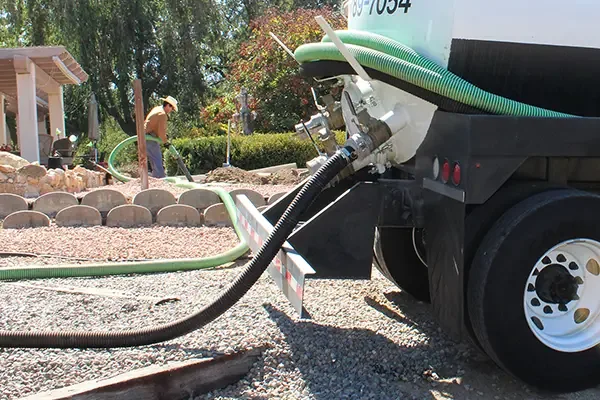
Septic Tank Pumping
Routine pumping removes accumulated solids and helps protect the tank, piping, and drain field from avoidable stress.
- Complete tank pumping and wastewater removal
- Sludge and scum removed from the accessible tank
- Clear maintenance guidance for the next service interval
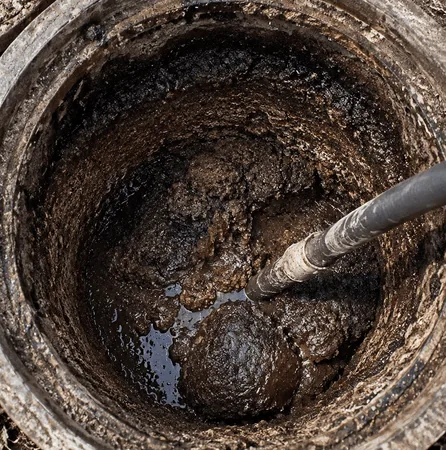
Septic Tank Cleaning
Thorough septic tank cleaning for systems that need more than a basic pump-out, helping remove built-up material from the tank.
- Thorough tank cleanout beyond a basic pump-out
- Built-up material addressed where it can be serviced
- Accessible tank condition discussed after the cleanout
Septic System Repair
Repair support for septic problems such as damaged components, recurring backups, odors, leaks, or poor system performance.
- Symptoms and accessible components reviewed
- Repair options explained clearly
- Repair versus replacement guidance
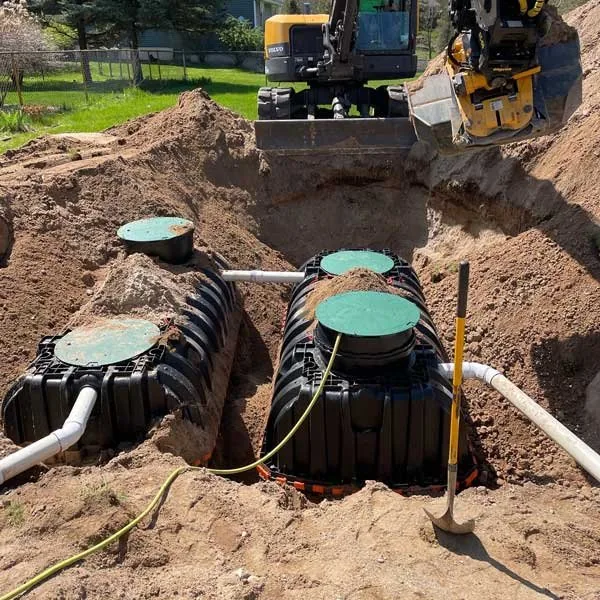
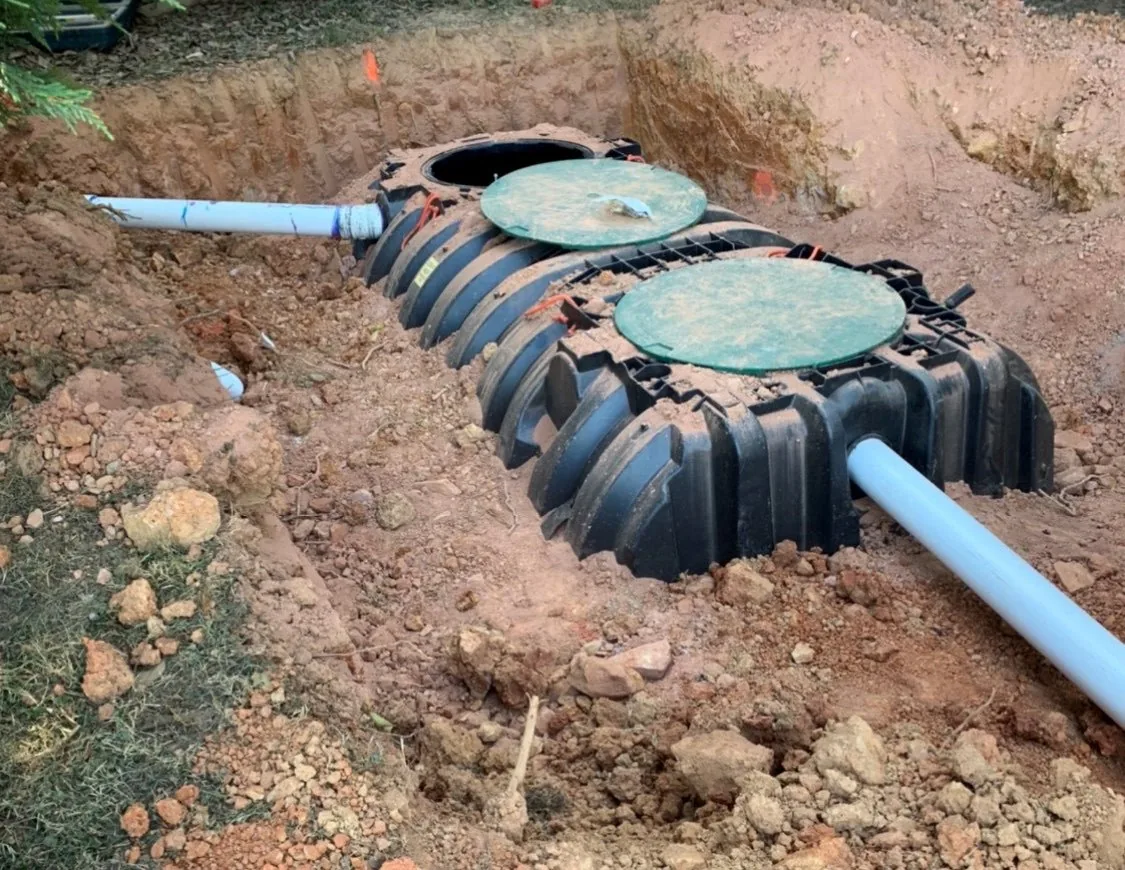
Septic Tank Installation
Septic tank installation for new or replacement systems, planned around the property, system needs, and applicable local requirements.
- New system planning support based on property needs
- Installation approach coordinated with site and system requirements
- Applicable local review requirements considered before installation
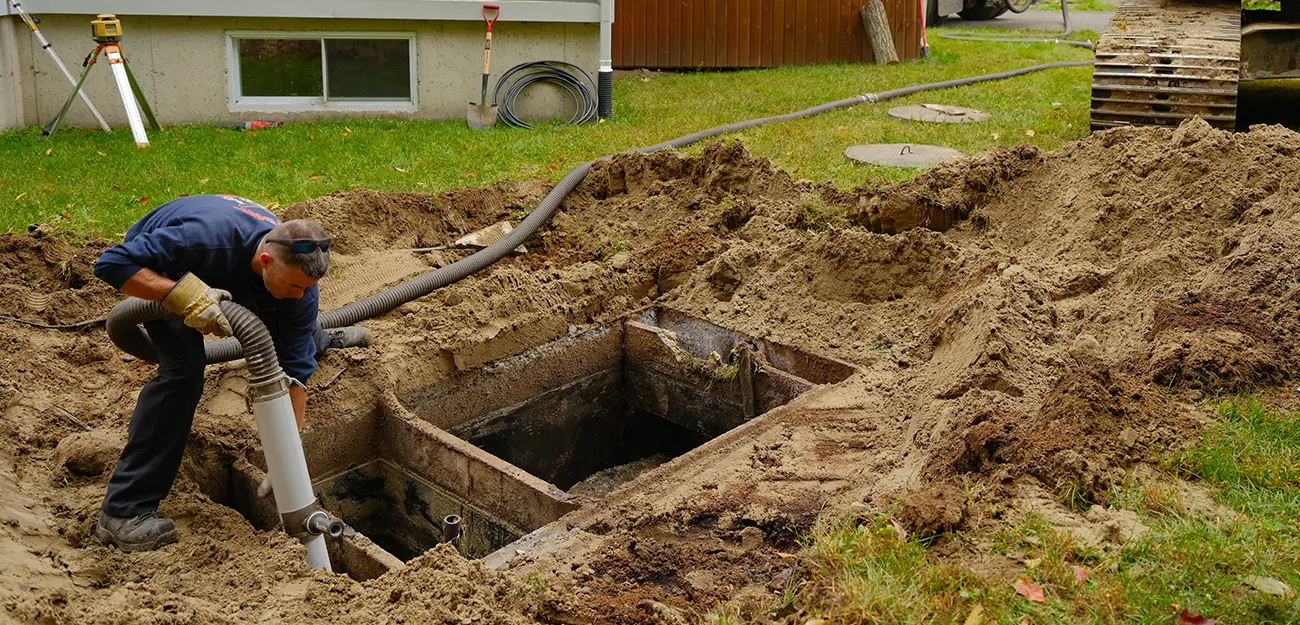
Septic System Replacement
Replacement planning for properties where repair is no longer practical or the existing septic system no longer serves the home reliably.
- Existing system history reviewed before replacement planning
- Replacement steps explained in practical customer language
- Future maintenance access considered during project planning
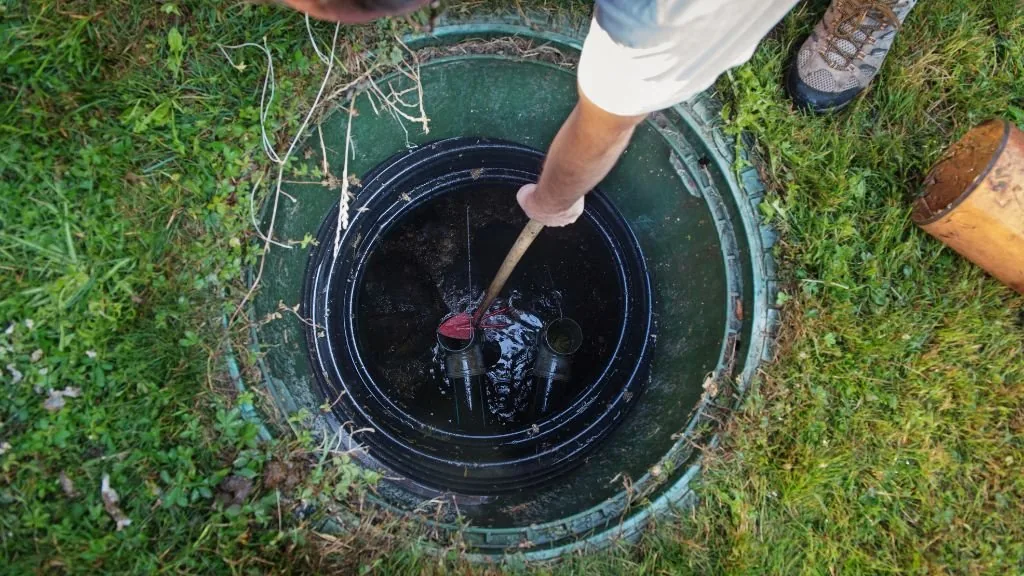
Septic System Maintenance
Planned septic maintenance to help homeowners track service needs, notice changes, and reduce avoidable stress on the system.
- Maintenance timing discussed using available service history
- Practical septic-care reminders for everyday property use
- Warning signs explained so changes are easier to recognize
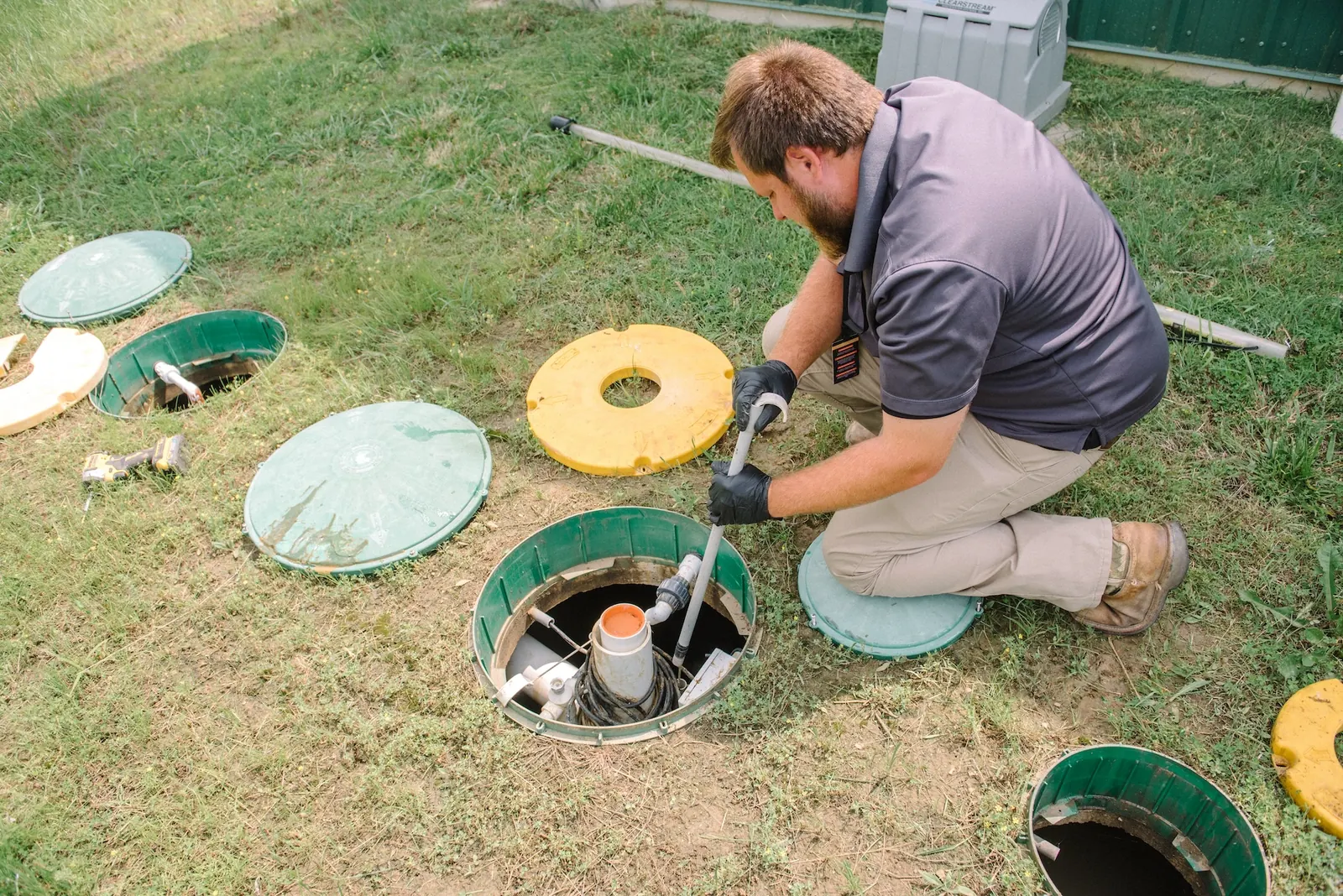
Septic Inspections
Residential septic inspections to help homeowners understand accessible system condition before maintenance, repair, or property decisions.
- Accessible septic components reviewed for visible concerns
- Useful observations documented for the property owner
- Clear next-step guidance based on what is found
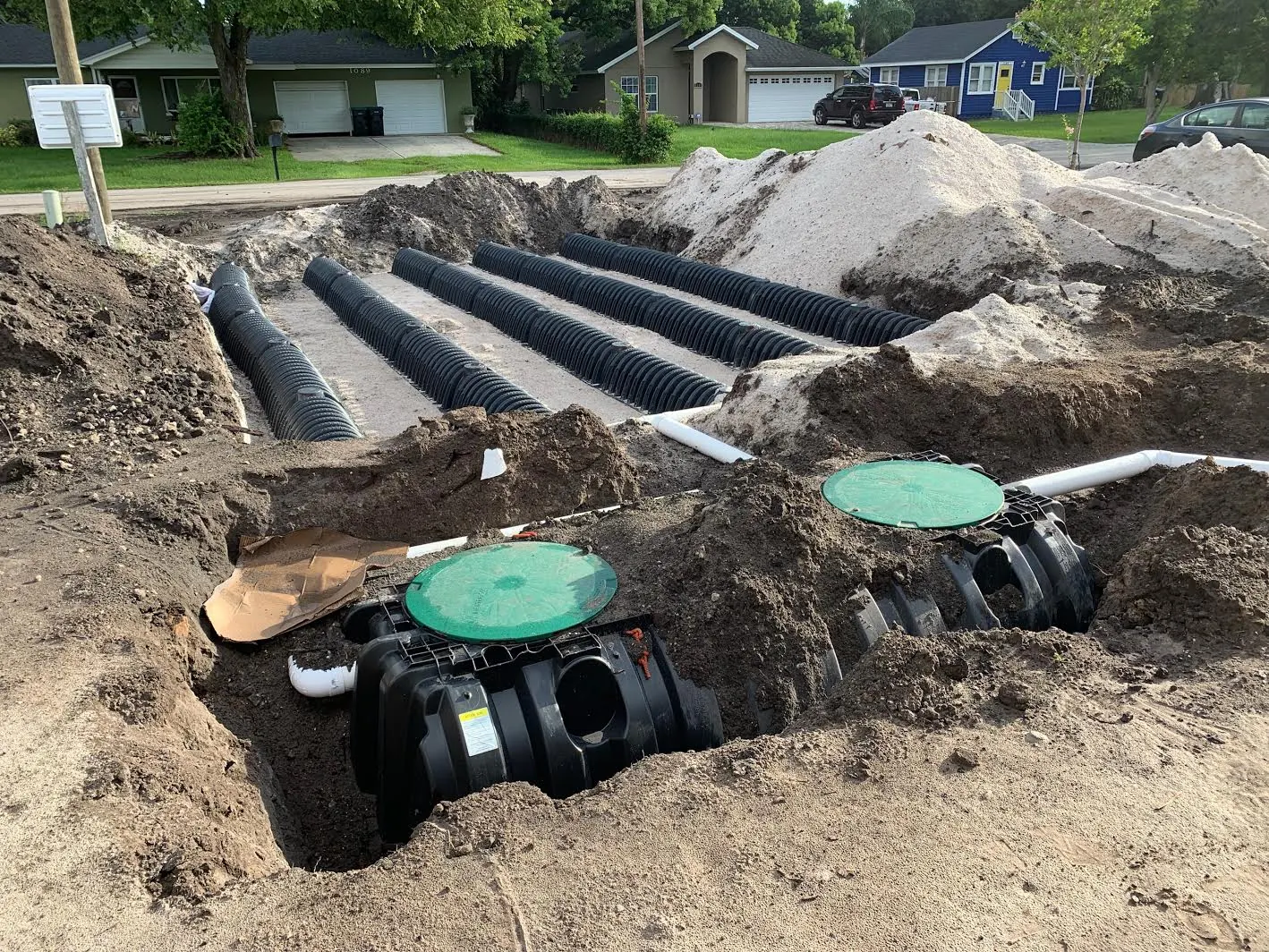
Drain Field & Leach Field Repair
Drain field and leach field repair support for wet areas, poor drainage, recurring symptoms, and damaged disposal components.
- Drain field symptoms evaluated in whole-system context
- Repair options explained around the condition being addressed
- Tank and system history considered before recommending follow-up
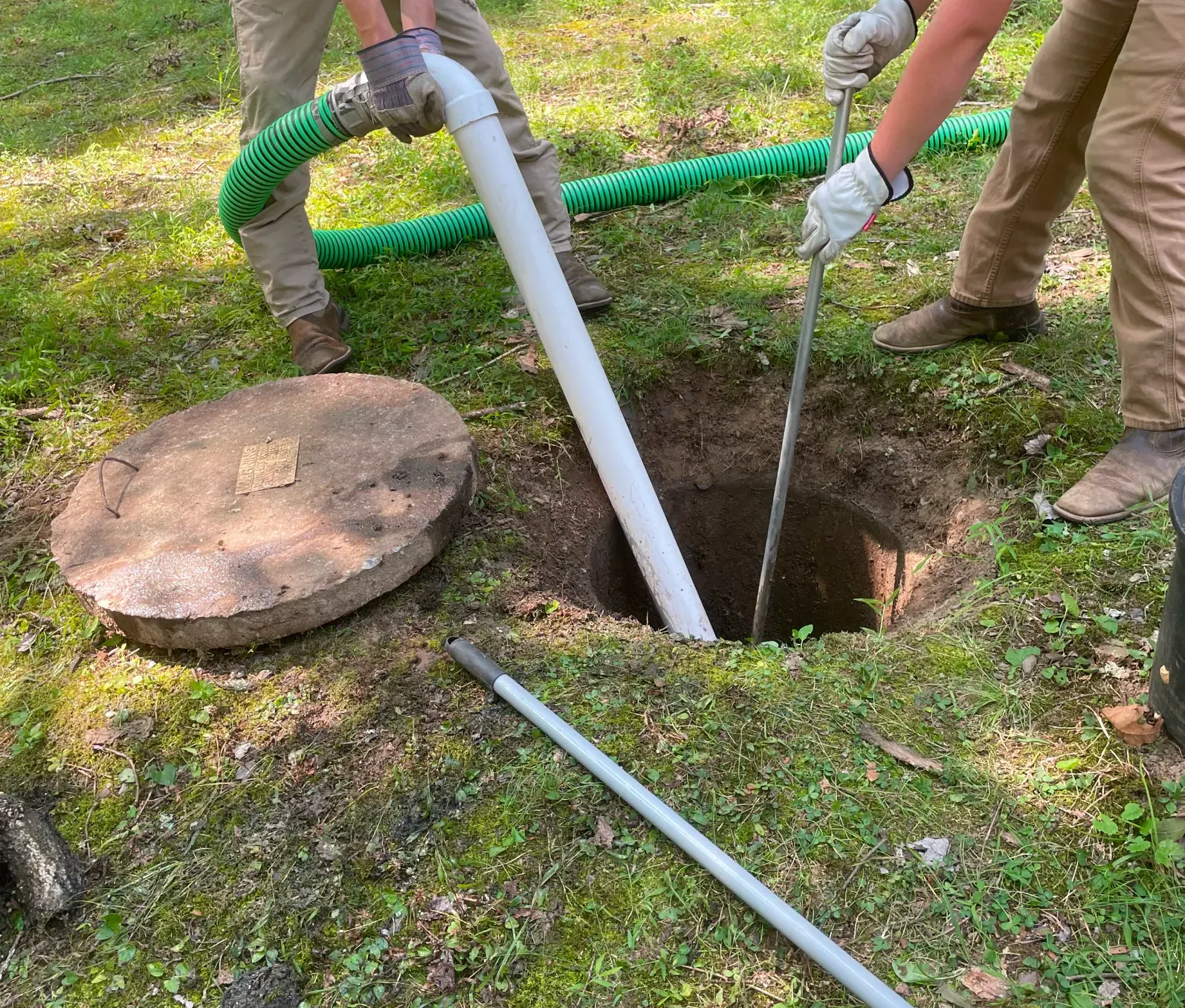
Septic Pump Repair
Septic pump repair support for alarms, pump failures, float or control issues, and systems that rely on pumped wastewater movement.
- Pump-related symptoms reviewed before repair decisions
- Accessible pump controls and components checked as appropriate
- Repair options explained around the problem that is found
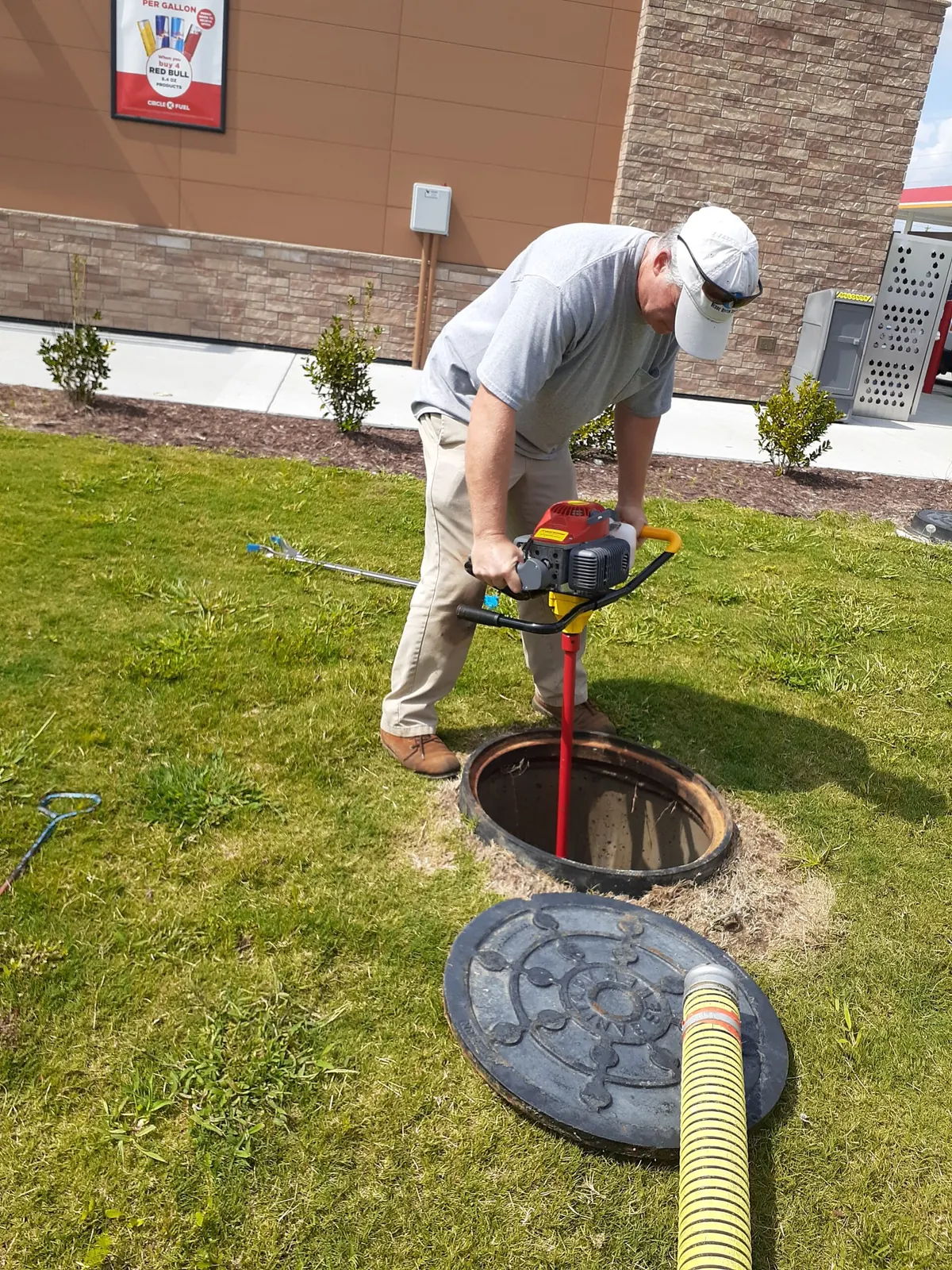
Emergency Septic Service
Emergency septic service for urgent backups, alarms, overflows, or other problems that need prompt attention and a clear next step.
- Urgent septic symptoms prioritized during the first conversation
- Problem details gathered clearly to guide the response
- Appropriate service options identified for the situation described