SEPTIC TANK REPAIR IN MENIFEE, CA
Septic Tank Repair for Menifee Homes
If odors, alarms, slow drains, or wet areas point to a system problem, septic tank repair in Menifee can address the cause. Call today for a fast, free estimate.
- Licensed & Insured
- Locally Owned
- Serving Since 2016
Get a Free Estimate
Home › Residential Septic Services › Septic System Repair
Septic problems are frustrating because the symptom you notice is not always where the actual problem is located. A slow drain may begin with a plumbing issue, an alarm can point toward a pump or control problem, and wet ground can involve the disposal area rather than the tank itself. Good repair work starts by separating those possibilities instead of assuming every problem needs the same fix.
Menifee Septic Service helps homeowners work through septic repair concerns with a practical focus on the symptom, accessible components, and the next useful step. If an overfull tank is part of the problem, septic tank pumping may be included in the service path, but pumping alone should not be presented as a repair when a component has failed.
Our goal is to make the repair decision understandable. We explain what the problem appears to involve, what can reasonably be repaired, and when the condition of the system points toward a larger solution.
Start With the Symptom, Not a Guess
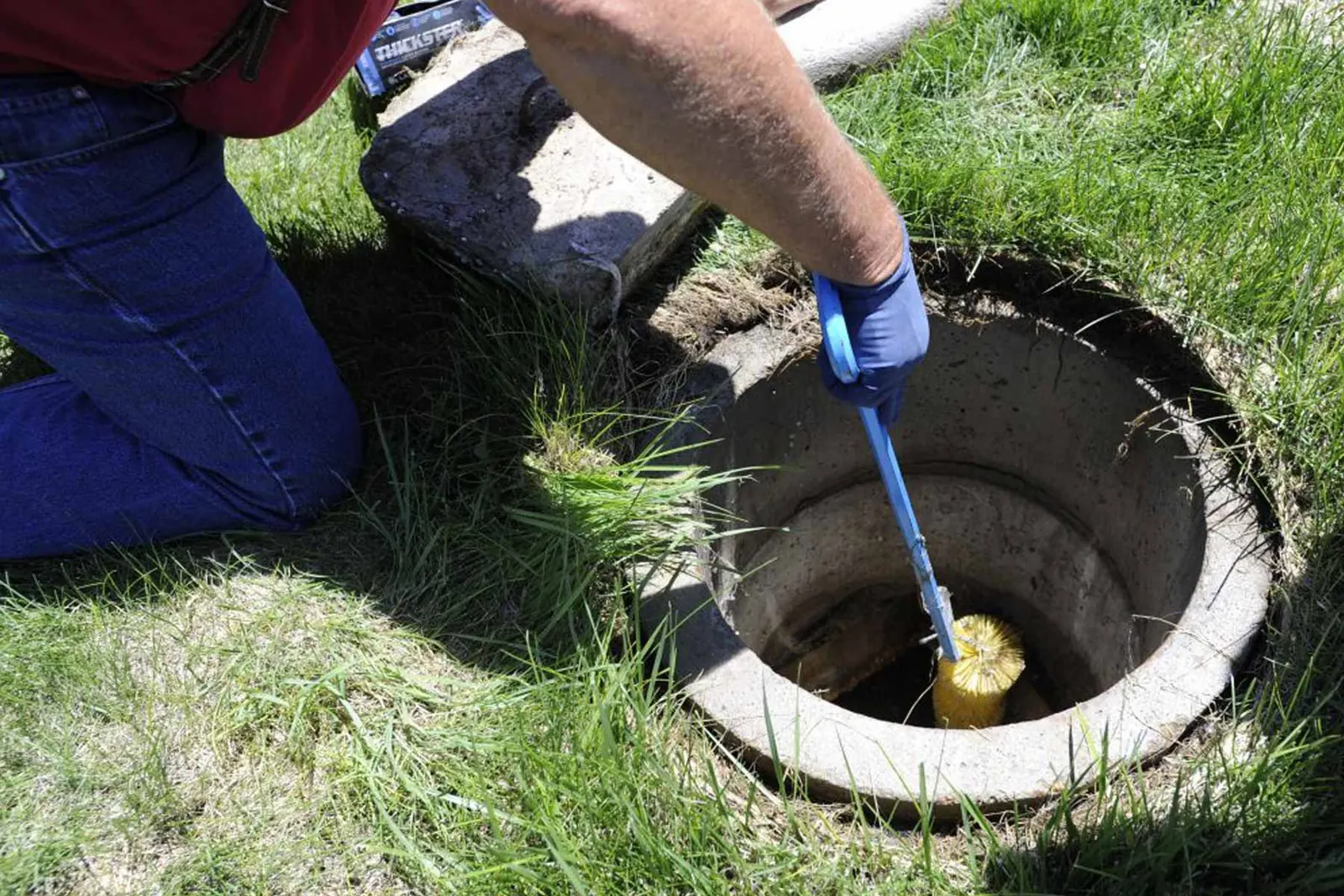
The details you notice at home are useful clues. Tell us whether the issue affects one fixture or several, whether an alarm is active, whether wastewater has surfaced outdoors, and whether the tank was serviced recently. A clear description helps distinguish routine maintenance from a repair concern before anyone starts replacing parts.
Common reasons homeowners request septic repair include:
- Recurring backups or multiple slow drains.
- Septic odors around the tank, piping, or disposal area.
- Damaged lids, risers, baffles, or accessible tank components.
- Pump, float, alarm, or control problems on systems that use them.
- Leaks or wastewater appearing where it should not.
- Symptoms that return soon after pumping or cleaning.
Not every item on that list proves the septic system has failed. The value of starting with the symptom is that it keeps the repair focused. If the issue turns out to be outside the tank, you have a better basis for deciding what should happen next instead of repeatedly paying for the wrong service.
Septic Components That May Need Repair
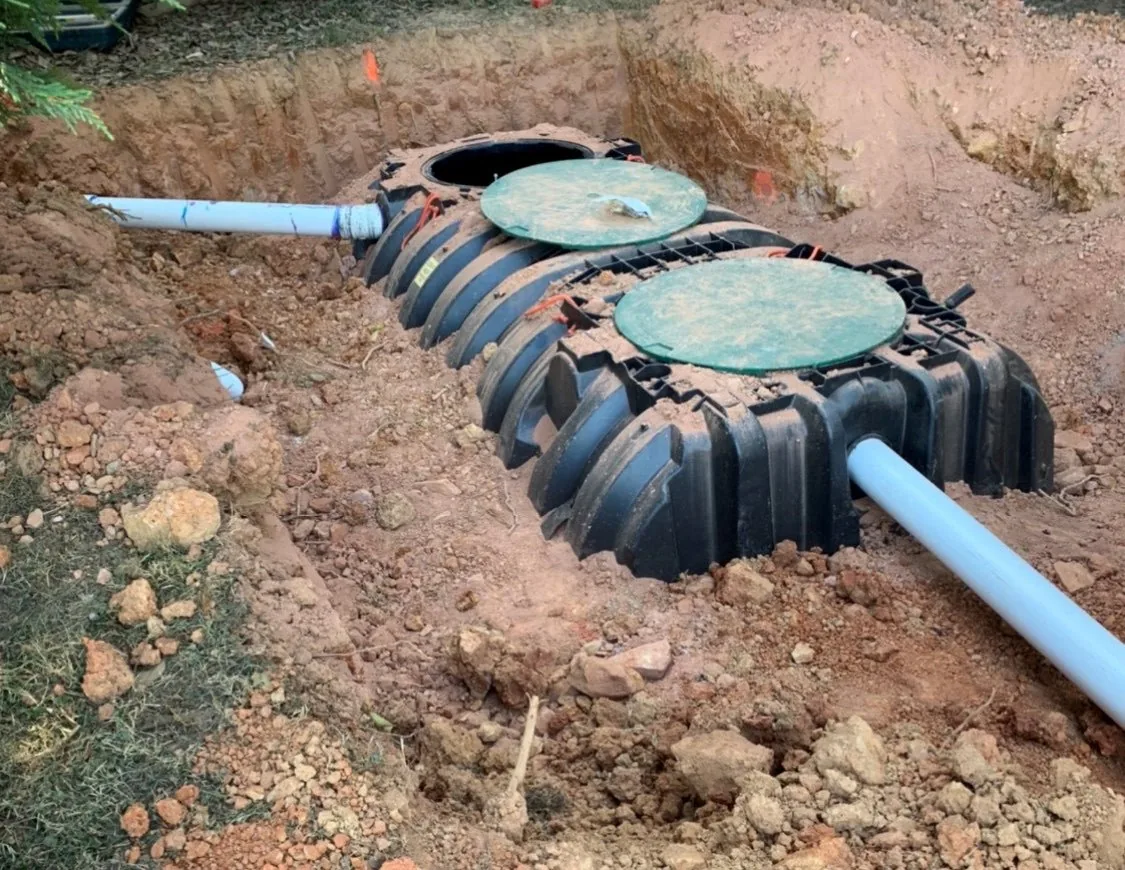
A residential septic system can include the tank, inlet and outlet tees or baffles, access risers and lids, distribution components, pumps, floats, electrical controls, piping, and the drain field. The exact arrangement depends on the property and system design. Repair work therefore ranges from relatively contained component problems to concerns that involve the wastewater disposal area.
Accessible tank components can sometimes be repaired or replaced without replacing the entire system. Pumped systems may need attention to the pump, float switches, alarm, or controls. Damaged piping may create a different set of symptoms. Drain field problems require a broader look because the soil absorption area is where treated wastewater ultimately needs to go.
We do not use one symptom to promise one repair before the system is considered. The practical objective is to identify the likely source of the problem and explain the repair path in plain language so you can make a decision based on the property rather than on guesswork.
Repair conversations are also easier when access has not been hidden by later property changes. If you know where lids, risers, control panels, or other septic components are located, keep those areas identifiable and mention any recent landscaping or construction nearby. That information can help connect a new symptom with changes around the system and reduce unnecessary guesswork about where accessible components are located.
Repair Decisions Depend on Where the Problem Is
The same household complaint can come from different places. For example, slow drainage after recent pumping may suggest that tank capacity is not the main issue. A pump alarm can involve a high liquid level, a failed pump, a float problem, or an electrical control. Persistent wetness near the disposal area can involve hydraulic loading or a drain field concern.
Repair decisions also depend on the condition of surrounding components. Replacing one part makes sense when the rest of the system remains serviceable. If several major components are deteriorated or the disposal area is no longer performing, a narrow repair may provide poor value. In that situation, our septic system replacement page explains the broader planning considerations.
This is why homeowners should be cautious about a repair quote that is based only on a phone description. A useful estimate conversation can start with the symptoms, but the final repair should reflect the condition actually found at the property.
When a Repair May Not Be Enough
There is a point where repeatedly repairing an aging or poorly performing system stops being the practical choice. That point is property-specific. A damaged lid or baffle is very different from a system with widespread deterioration or a disposal area that is no longer accepting wastewater as intended.
Replacement may deserve consideration when repairs are recurring, when key components cannot be restored reliably, or when the existing system no longer fits the property needs. That does not mean every difficult repair should become a replacement. It means the homeowner should understand both options when the condition makes the tradeoff relevant.
If a larger project is being considered, gather previous service records, repair history, available permits or plans, and any information about the tank and disposal area. Those records can help explain what has already been tried and prevent the next decision from being made without context.
Another useful question is whether the proposed repair addresses the cause or only restores temporary operation. A repair that replaces a clearly failed component can be a sensible, contained solution. Repeatedly addressing the same symptom without understanding why it returns is different. Homeowners should feel comfortable asking what part is being repaired, what evidence points to that part, and what signs would indicate a broader problem later. Clear answers help you compare the value of a repair with the cost and disruption of a larger project. They also give you something concrete to monitor after the work rather than simply hoping the system behaves differently.
Riverside County Requirements Can Affect System Work
Onsite wastewater work in Riverside County can involve environmental health review depending on the type of project. Requirements are not the same for every repair, and homeowners should avoid assuming that a component change and a full system alteration follow identical review steps.
Riverside County Environmental Health publishes current guidance for onsite wastewater treatment systems. That public information is useful when a repair grows into a project involving system design, replacement, or other work that may require county review.
We keep the customer conversation simple: first understand what the septic problem appears to be, then determine whether the appropriate next step is maintenance, a targeted repair, or a larger system project. If you need to discuss symptoms or request an estimate, use our contact page and include the details you have already observed.
Septic Tank Repair FAQs
What are common signs that a septic system may need repair?
Recurring backups, several slow drains, alarms, septic odors, visible leaks, or wet areas near septic components are reasons to investigate. Those symptoms do not identify the failed part by themselves, but they are useful clues.
Can a septic tank be repaired without replacing the whole system?
Sometimes. Accessible tank components, piping, pumps, or controls may be repairable when the rest of the system remains serviceable. The condition and location of the problem determine whether a targeted repair is practical.
Why did my problem return after the tank was pumped?
Pumping removes tank contents but does not repair every system component. If symptoms return quickly, the cause may involve piping, a pump, an outlet component, or the drain field rather than tank capacity alone.
How do I know when replacement should be considered?
Replacement becomes a discussion when major components cannot be repaired reliably, problems keep returning, or the existing system is no longer performing as intended. The decision should reflect the whole system and property, not one symptom.