
SEPTIC SERVICE QUAIL VALLEY, CA
Full Service Septic Company in Quail Valley, CA
A septic call in Quail Valley may start with routine pumping, an alarm, or a change in drainage, and the service should match the symptom. Call today for a fast, free estimate.
- Licensed & Insured
- Locally Owned
- Serving Since 2016
Get a Free Estimate
Home › Quail Valley
Septic service in Quail Valley should fit the system, the property, and any changes you have noticed. If you are unsure whether you need pumping, an inspection, or repair, start with the symptoms and any service history you have. If the tank is due for maintenance, septic tank pumping may be the right starting point. Ongoing backups, odors, or system problems may point toward septic system repair, while septic inspections can help clarify what is happening before you plan the next step.
Start With the Septic Need, Not a Guess
A Quail Valley septic call often begins with a simple maintenance question or a symptom that has changed. Start with what you can see or hear: drainage speed, odors, alarms, wet areas, or the time since the last tank service.
Knowing the service history and current symptoms helps avoid guessing whether the issue is routine tank maintenance or a problem farther downstream.
For Quail Valley customers, symptom-first service planning starts with a few practical details rather than a broad assumption about the whole system. The last pumping date, any recent inspection or repair, the number of people or type of activity using the property, and the specific change that prompted the call all help create a clearer starting point. If the system is working normally, that information can keep the visit focused on routine care. If performance has changed, the same history can help show why troubleshooting deserves more attention.
A useful first conversation also separates what you know from what still needs to be checked. You do not need to identify buried components or diagnose the system yourself. Describe when the issue started, whether it affects one fixture or several, whether an alarm is active, and whether the property has recently had pumping or other septic work. That gives the service visit a defined customer need without turning your observations into a technical conclusion. For an intermittent problem, note whether it appears after heavy household use, after a long idle period, or without an obvious trigger.
The benefit is a more useful service decision. Instead of treating every concern as a pump-out, the visit can stay centered on choosing a service from what the system is doing now. That makes the estimate easier to understand and gives you a clearer reason for the recommended next step.
Maintenance for Onsite Septic Systems
For Quail Valley properties using septic, regular maintenance supports the tank and downstream components by limiting excessive solids. Water use and what goes down the drain also affect system load.
At a Quail Valley septic property, avoid flushing wipes, paper towels, hygiene products, grease, or other unsuitable materials. Repair leaking fixtures when practical so avoidable water does not add unnecessary flow.
Routine septic care in Quail Valley becomes easier when you keep a simple record of what has already been done. Note pumping dates, any comments about solids or accessible components, repairs, alarm events, and major changes in how the property is used. A short history is often more valuable than trying to remember whether the system was serviced “recently,” especially when occupancy or water use has changed since the last visit.
Regular tank care without guessing should be flexible enough to follow the actual system. Tank size, wastewater use, garbage-disposal habits, and previous maintenance observations can all affect how quickly solids accumulate. Pumping removes those solids, but it does not by itself confirm the condition of every line, pump, or disposal component. Keeping the maintenance purpose clear helps avoid expecting routine pumping to solve a separate mechanical or drain-field problem.
Between visits, normal septic care matters too. Spread heavy water use when practical, avoid flushing materials that do not break down easily, and keep vehicles or construction away from known tank and disposal areas. Those habits do not replace professional service, but they support the system and make future maintenance decisions in Quail Valley easier to base on actual history.
Warning Signs That Deserve Attention
Call for additional attention when you notice:
- toilets or drains gurgling repeatedly
- sewage backing up into fixtures
- an alarm activating on a pump-equipped system
- wet or unusually soft ground near septic components
- persistent sewage odors that are not explained by a normal plumbing vent
- several fixtures draining slowly at the same time
If sewage is backing up or surfacing at a Quail Valley property, reduce unnecessary water use and keep people and pets away from wastewater until the problem can be addressed.
Changes in system performance deserve a different conversation than routine maintenance. In Quail Valley, customers may notice recurring drainage changes and odors. One symptom by itself does not always identify the cause, but a pattern across the property is useful information. Multiple slow drains, repeated gurgling, sewage backing up, persistent odors, an alarm, or wet ground near septic components are all reasons to explain what you are seeing rather than simply asking for the same service that was done last time.
Inspection or repair work is most useful when it follows the evidence available at the property. The technician may need to consider the tank, accessible baffles or lids, pumps or controls, lines, and the disposal area depending on the symptoms and system design. A recent pump-out can be part of the history, but it should not automatically end the troubleshooting process if the same problem keeps coming back. When the symptom comes and goes, checking more than one accessible component can help avoid treating the first visible sign as the whole problem.
If the system is actively backing up, reduce unnecessary water use until the situation can be discussed. Avoid opening or entering a septic tank yourself. When you call, describe the symptoms in the order they appeared and mention any recent service. That gives the Quail Valley service visit a safer, more useful starting point for deciding what should be checked next.
Choose the Service That Fits the Symptom
For Quail Valley customers, pumping, inspection, repair, pump service, and replacement solve different problems. A recent pump-out does not prove every downstream component is healthy.
Before work begins, we explain what the recommended service is meant to address and when another step may be necessary.
Good preparation for septic service does not require technical expertise. For a Quail Valley property, the most helpful information is usually known access points and system records, along with the reason you are requesting service. If the tank or access lids are known, point that out. If they are not, do not dig or disturb the site simply to prepare for the appointment. Share what you know and let the service plan account for what still needs to be located or confirmed.
Records become especially important when the property has pumps, alarms, filters, prior repairs, or a history of recurring symptoms. Keeping those notes with pumping dates makes future visits easier to compare. It also helps when the property changes ownership, occupancy, or use, because the next decision can start with documented service rather than a blank history. Properties with alarms or pump components benefit from keeping service notes together so future troubleshooting starts with useful history.
Larger projects need a different level of preparation. Installation, replacement, or significant repair may involve system information, site conditions, access, and applicable local requirements. Those projects should be discussed separately from a routine maintenance call. For Quail Valley customers, separating the immediate service need from longer-term project planning helps keep each estimate focused and easier to understand.
Request Septic Service With Clear Property Details
For Quail Valley customers comparing warning signs, the EPA septic malfunction resource is a useful reference. It lists backups, slow drains, gurgling, wet ground, and odors among common signs that deserve attention.
Menifee Septic Service provides free estimates for septic work in Quail Valley. Call (951) 669-2963 with the location and the service or symptoms you want to discuss.
The goal of septic service in Quail Valley is not to create more work than the property needs. It is to understand the reason for the call, use the available history, and choose a service that addresses the current need. Sometimes that means routine pumping. In other cases, an inspection, pump repair, component repair, or a larger system discussion may be more appropriate. The important point is that the recommendation follows the property information and symptoms rather than a one-size-fits-all script.
Clear communication helps after the visit as well. Keep the service date, any observations about accessible components, and the next maintenance recommendation with your property records. If the system begins acting differently later, compare the new symptom with that baseline. This can make it easier to explain what changed and whether the next call is normal maintenance or a new concern. After service, write down what prompted the visit and what was observed so a future change is easier to explain clearly.
Menifee Septic Service can help Quail Valley customers talk through choosing a service from what the system is doing now. When you request an estimate, share the service history you have and the issue you want addressed. You will have a clearer starting point for the visit without needing to diagnose the septic system on your own.
Our Septic Services in Quail Valley, CA
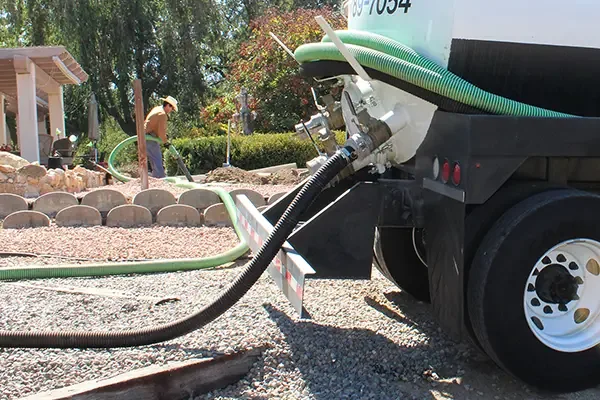
Septic Tank Pumping
Routine pumping removes accumulated solids and helps protect the tank, piping, and drain field from avoidable stress.
- Complete removal of accumulated tank solids
- Careful pumping around accessible tank components
- Maintenance notes to guide the next pump-out
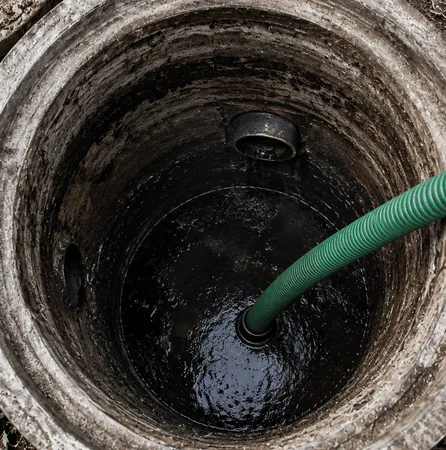
Septic Tank Cleaning
Thorough septic tank cleaning for systems that need more than a basic pump-out, helping remove built-up material from the tank.
- Thorough cleanout of pumpable tank contents
- Removal of stubborn buildup where serviceable
- Clear maintenance records for future tank care
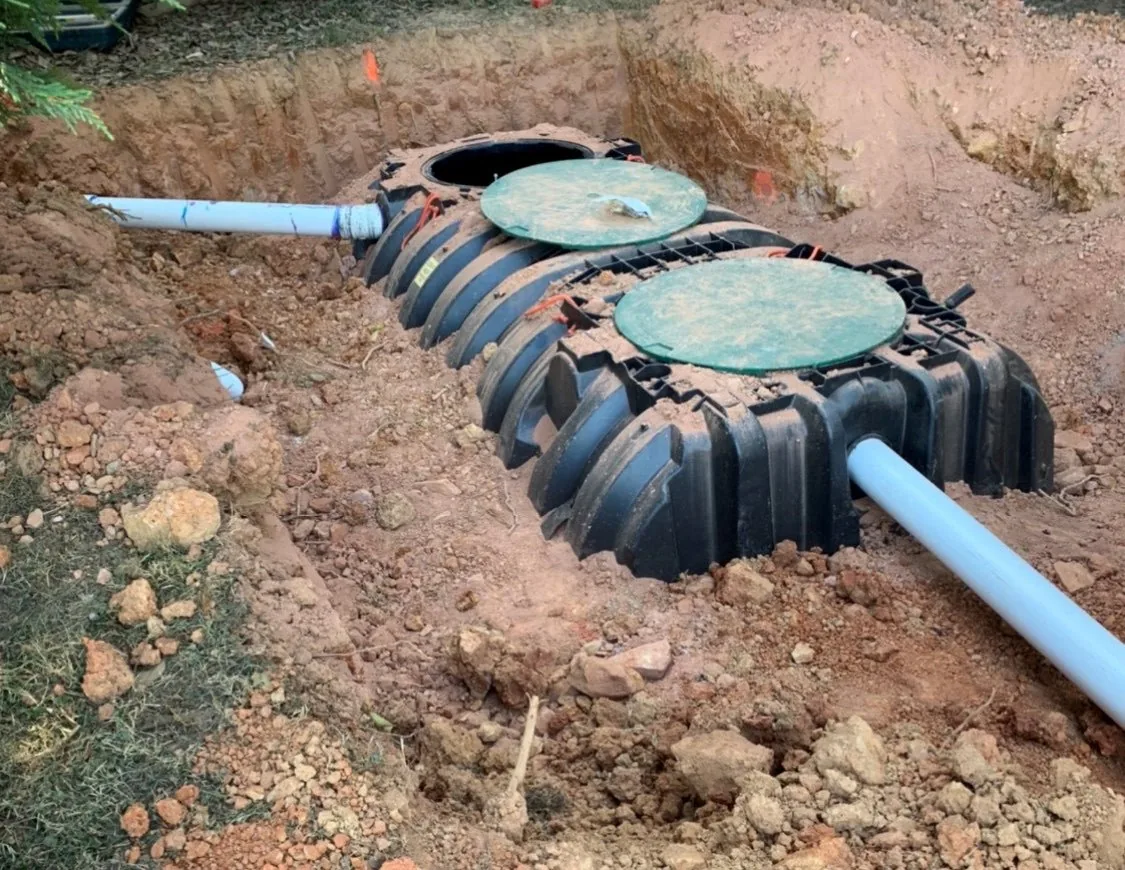
Septic System Repair
Repair support for septic problems such as damaged components, recurring backups, odors, leaks, or poor system performance.
- Troubleshooting based on the symptoms you report
- Repair of accessible damaged septic components
- Clear explanation of recommended follow-up steps
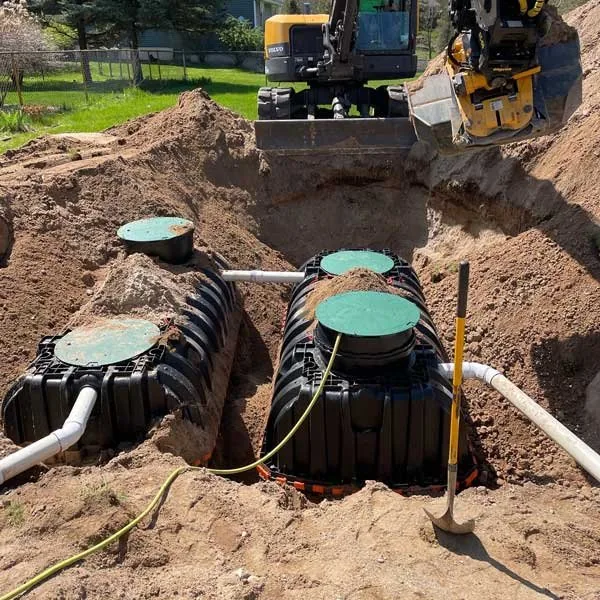
Septic Tank Installation
Septic tank installation for new or replacement systems, planned around the property, system needs, and applicable local requirements.
- Planning around property and system requirements
- Installation or replacement steps explained clearly
- Future service access considered during planning
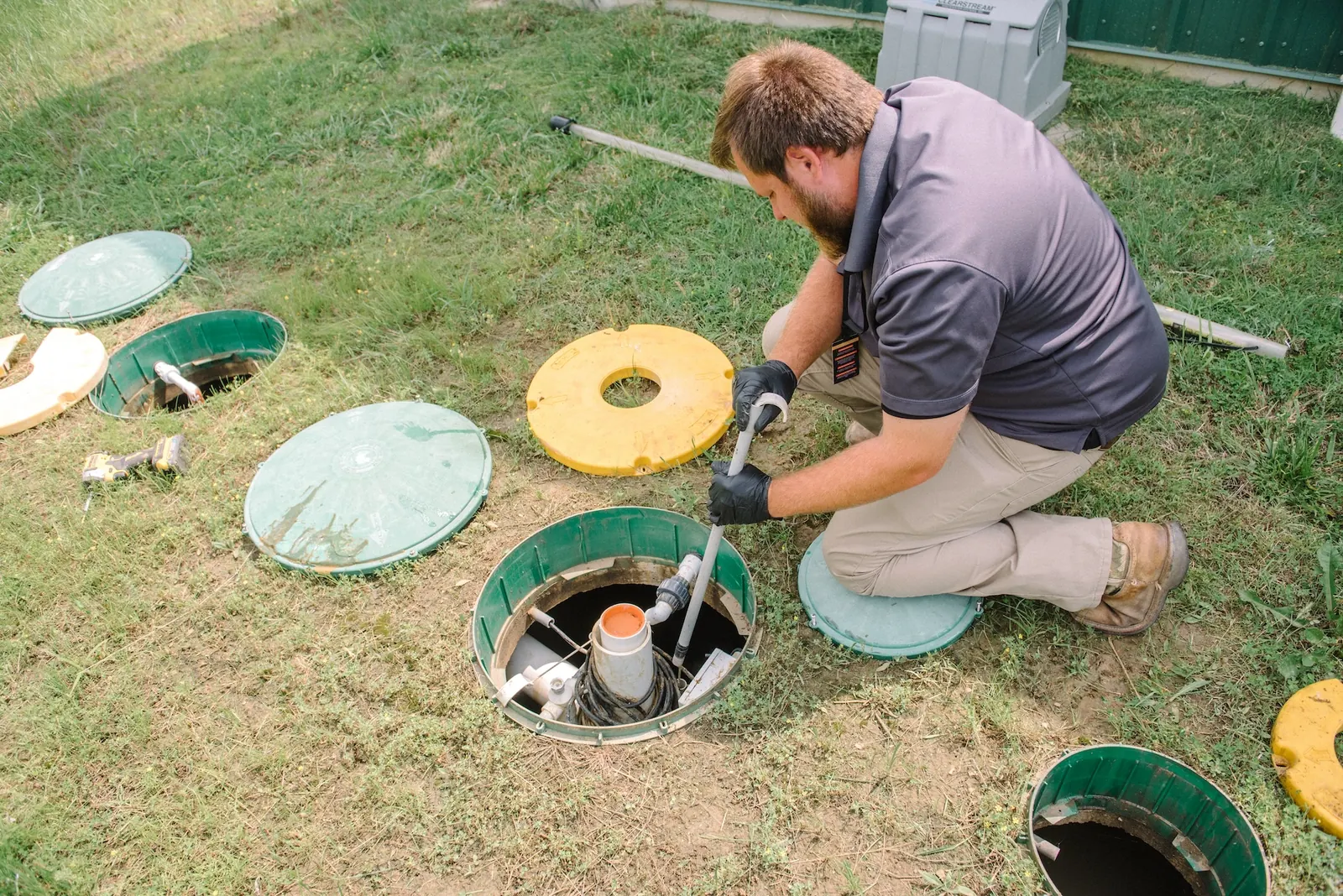
Septic Inspections
Septic inspections for maintenance, troubleshooting, or property transactions, based on what the customer needs checked during the visit.
- Inspection focused on your maintenance or property need
- Accessible system conditions reviewed and documented
- Useful findings to guide service or property decisions
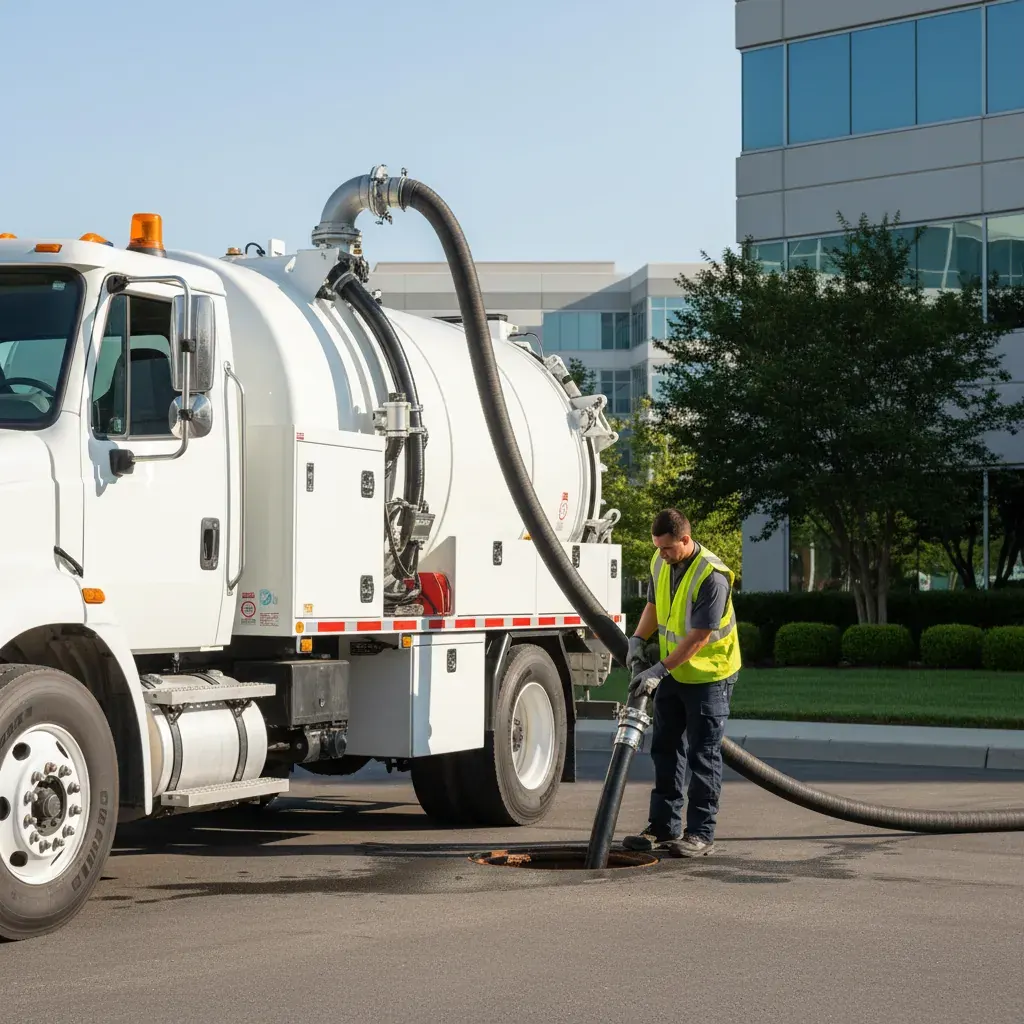
Commercial Septic Services
Septic service for businesses, facilities, and other commercial properties that need pumping, maintenance, inspections, repairs, or system support.
- Pumping and wastewater service for commercial properties
- Maintenance planning around property use and demand
- System checks informed by alarms and service history