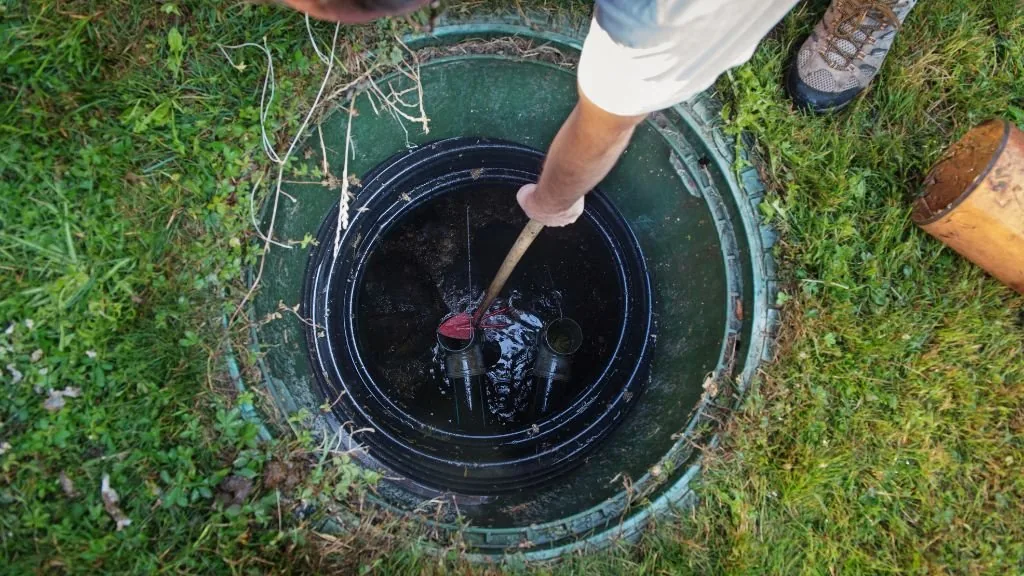
SEPTIC SYSTEM MAINTENANCE IN MENIFEE, CA
Practical Septic Maintenance for Menifee Homes
Regular septic system maintenance in Menifee, CA helps you catch small changes early, keep service records current, and reduce avoidable system stress. Call today for a fast, free estimate.
- Licensed & Insured
- Locally Owned
- Serving Since 2016
Get a Free Estimate
Home › Residential Septic Services › Septic System Maintenance
A septic system does not need constant attention, but it does benefit from consistent care. Menifee Septic Service helps homeowners build a practical maintenance routine around the way their system is actually used instead of treating every property as if it follows the same calendar. The goal is to keep normal service needs visible, notice changes before they become harder to manage, and give you a clearer record of what has been done.
Routine maintenance often works together with other residential services. If accumulated solids need to be removed, septic tank pumping may be part of the plan. If the tank needs a more thorough clean-out, septic tank cleaning may be appropriate. When the concern is less obvious, a septic inspection can help organize the next decision around what is visible and how the system is behaving.
Good maintenance is not about replacing judgment with a reminder on the calendar. It is about combining service history, household use, visible warning signs, and sensible wastewater habits so the system receives attention when it is useful.
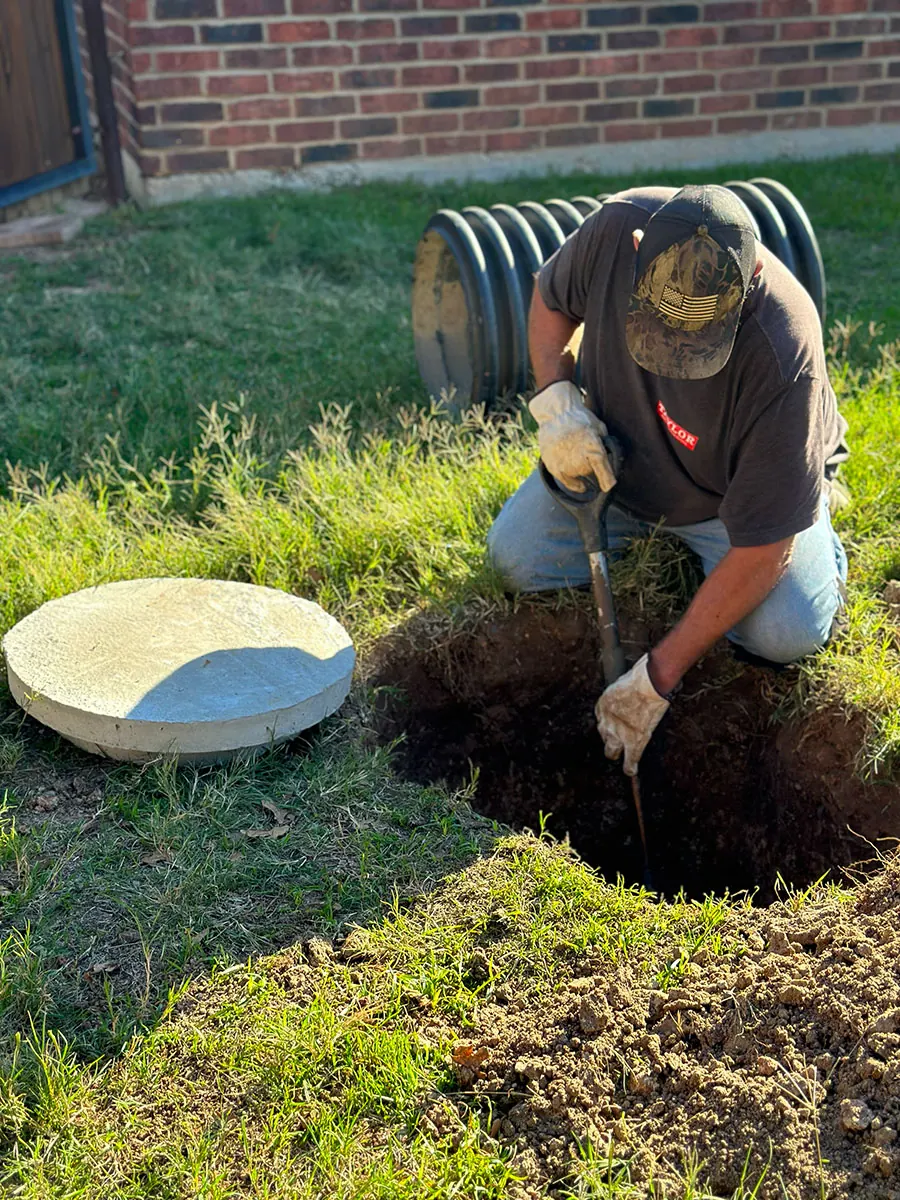
Build a Maintenance Routine Around Your Actual System
Maintenance starts with understanding that septic systems do not all accumulate solids or experience use at the same rate. Household size, water use, tank size, garbage disposal use, and the type of system all influence how often professional attention may be useful. A home with two occupants may develop a different service pattern from a busy household even when the systems look similar on paper.
If you know when the tank was last pumped, when an inspection was performed, or whether repairs have been made, keep those dates together. If the history is unknown, that is still useful information to share. It tells us not to assume the system has been following a documented maintenance schedule.
A practical routine may include:
- Keeping track of pumping, cleaning, inspection, and repair dates.
- Noting unusual alarms, odors, backups, or drainage changes when they occur.
- Watching for wet or unusually lush areas near known septic components.
- Keeping access points identifiable instead of permanently covering them.
- Discussing changes in household use that may affect wastewater volume.
The benefit is simple: you have better information when you call for service. That makes it easier to discuss whether the property needs routine maintenance, troubleshooting, or a different septic service.
Watch for Changes Between Normal Service Visits
Homeowners often first notice a septic concern through a change in normal household behavior. A fixture may drain more slowly than usual, several drains may begin acting differently, an alarm may sound, or an odor may appear around the system. One isolated plumbing symptom does not automatically mean the septic system is at fault, but patterns across multiple fixtures deserve more attention.
Surface conditions can also provide clues. Standing water, persistent dampness, or unusually green growth over part of a drain field may indicate that wastewater is not moving through the system as expected. Tank lids, risers, or visible components may also show damage that should not be ignored simply because wastewater is still flowing.
Maintenance is more useful when it responds to those changes rather than waiting for a complete backup. Call when something about the system is different enough that you are unsure whether it is normal. A clear description of what changed, when it started, and whether it affects one fixture or several gives the service conversation more useful context.
What Septic Maintenance Can Help You Keep Track Of
A maintenance visit is an opportunity to keep the system’s condition and service history understandable. That may mean discussing accumulated solids, accessible tank condition, service access, pump or alarm behavior when those components are part of the system, and visible conditions around the disposal area. The exact work depends on the service being performed and the system that is present.
Maintenance should leave you with practical information, not vague reassurance. Useful questions include when the last pump-out occurred, whether a component needs additional attention, whether the system has shown a repeating symptom, and what you should watch for after service.
It is also worth distinguishing routine care from repair. Maintenance can reduce avoidable stress and help reveal problems earlier, but it does not make a damaged component sound again or restore a failed disposal area by itself. If the visit points to a repair need, that should be explained as a separate decision so you understand why the next service is being recommended.
Maintenance can also make future decisions less reactive. If the same odor, alarm, or drainage concern appears more than once, comparing dates and service notes may show whether the issue is truly recurring or simply a new event that feels familiar. That distinction matters when deciding whether routine service is enough or whether a repair deserves closer attention. A few clear notes can prevent every new symptom from being treated as if the system has no history.
Everyday Habits That Reduce Unnecessary System Stress
What goes down the drain matters because everything entering the home’s plumbing eventually becomes part of the wastewater load the septic system must handle. Water efficiency and sensible disposal habits can reduce unnecessary strain without turning daily life into a complicated set of rules.
- Spread heavy water use when practical instead of stacking several high-volume tasks at once.
- Repair plumbing leaks that send unnecessary water into the system.
- Keep wipes, hygiene products, grease, and other non-biodegradable material out of toilets and drains.
- Avoid driving or parking heavy vehicles over known septic and drain field areas.
- Keep roof drains, irrigation, and unnecessary surface water from concentrating over the drain field where practical.
These habits support the system between professional visits. They do not replace pumping, inspection, or repair when those services are needed, but they can help reduce avoidable loading and make changes in system performance easier to recognize.
Keep Better Records and Make Future Service Easier
A short maintenance record can save a lot of guessing later. Keep the date and type of service, any measurements or observations you were given, repairs that were completed, and notes about alarms or recurring symptoms. Property records, plans, and photographs of access locations can also be helpful when landscaping or later improvements change what is visible at the surface.
The U.S. Environmental Protection Agency’s septic system care guidance emphasizes inspection, pumping, water efficiency, proper waste disposal, and drain field care as core homeowner maintenance practices. Those are useful general principles, while your actual service schedule should still reflect the system and household using it.
Good records also make future service more efficient. Instead of saying the tank was serviced “a while ago,” you can provide a date and the reason for the visit. Instead of guessing whether an alarm has happened before, you can compare it with prior notes. That context helps you make a more informed decision when the system needs attention again.
Common Questions About Septic System Maintenance
How often should I schedule septic system maintenance?
There is no single schedule that fits every property. Tank size, household use, system type, accumulated solids, and prior service history all matter. If you know the last pumping or inspection date, share it so the next maintenance decision can be based on better information.
What should I keep in my septic maintenance records?
Keep dates for pumping, cleaning, inspections, and repairs along with any system plans, service notes, alarm history, and known access locations. A simple record is enough if it is accurate and easy to find.
Can maintenance prevent every septic problem?
No. Routine care can reduce avoidable stress and help reveal changes earlier, but components can still wear out and site conditions can still create problems. Maintenance is most valuable when it is combined with attention to warning signs.
Should I call if the system seems different even though service is not due?
Yes. If several drains slow down, an alarm sounds, odors appear, or wet conditions develop near septic components, describe what changed rather than waiting for a calendar date. Those details can help determine the appropriate next step.