DRAIN FIELD REPAIR IN MENIFEE, CA
Help for Drain Field and Leach Field Problems
When wet ground, odors, or poor wastewater dispersal point to the disposal area, drain field repair in Menifee, CA may be the next step. Call today for a fast, free estimate.
- Licensed & Insured
- Locally Owned
- Serving Since 2016
Get a Free Estimate
Home › Residential Septic Services › Drain Field & Leach Field Repair
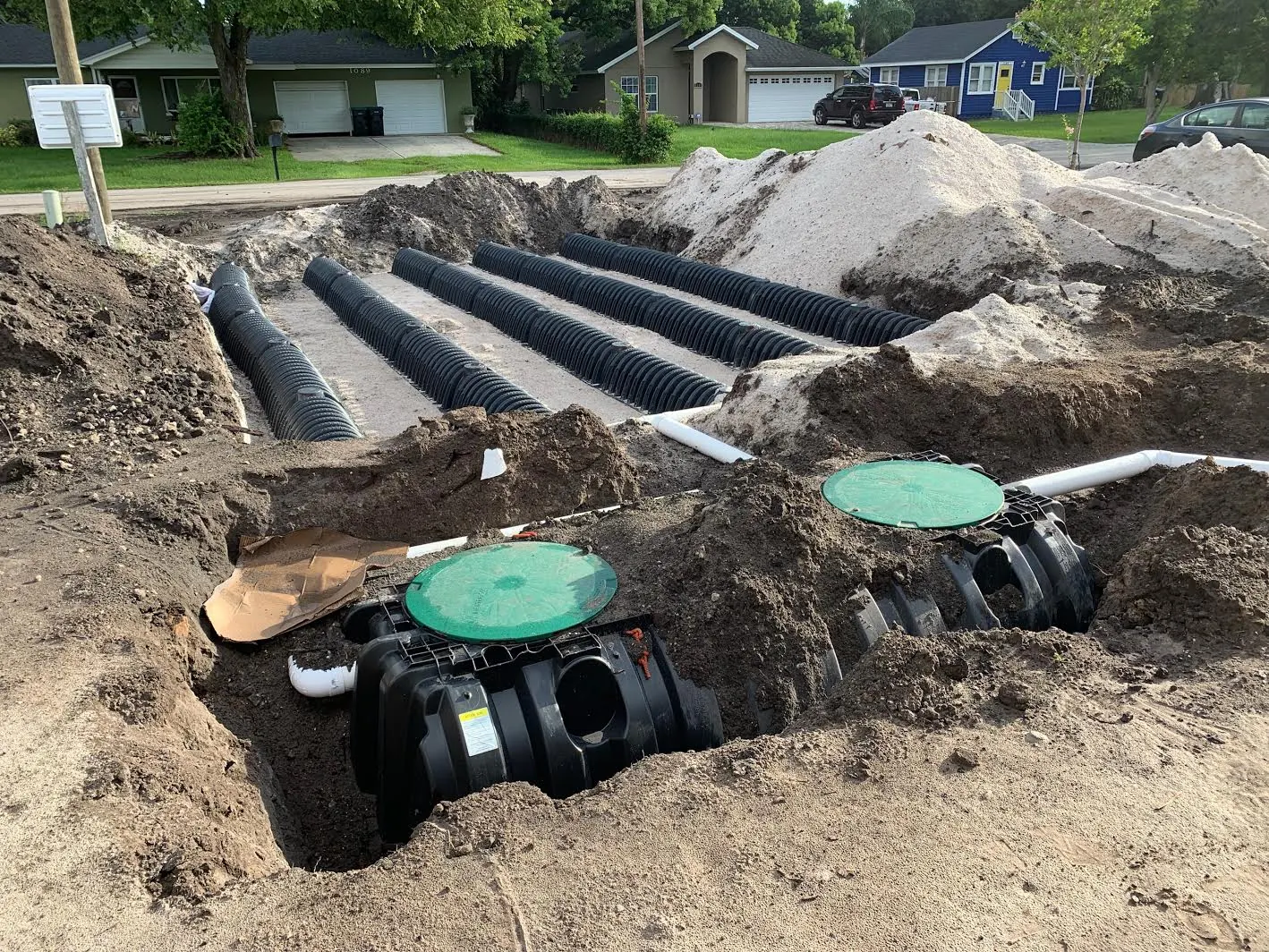
The drain field is where a septic system finishes treating and dispersing wastewater after it leaves the tank. When that area stops accepting wastewater normally, homeowners may see wet soil, persistent odors, unusually lush growth, slow drains, or recurring backups. Menifee Septic Service helps separate drain field concerns from tank-only maintenance so the service discussion focuses on the part of the system showing the problem.
A drain field symptom does not automatically mean the entire system must be replaced. It may be useful to start with a broader septic system repair evaluation when the cause is unclear, confirm maintenance history through septic tank pumping records, or use a septic inspection to document accessible conditions before deciding how much repair is justified.
The important question is why the disposal area is struggling. A repair should address the actual failure path where practical, not simply cover wet ground or temporarily move wastewater somewhere else.
Recognize Signs That Point Beyond the Septic Tank
Drain field problems can look different from one property to another. Some homeowners first notice a soft or wet area over part of the field. Others notice an odor outside, slow fixtures inside the home, or a backup that returns after the tank has been serviced. These symptoms matter because the tank and drain field perform different jobs.
Warning signs that deserve attention include:
- Standing water or persistent damp soil near the known disposal area.
- Bright green or unusually vigorous growth over only part of the field.
- Sewage odors that continue around the drain field.
- Multiple fixtures draining slowly at the same time.
- Backups that return even when tank maintenance is current.
- Visible erosion, compaction, or property changes over the disposal area.
None of these signs should be diagnosed from a photo alone. Similar symptoms can come from different causes. The goal is to look at the system history and accessible evidence together so the repair conversation begins with the most likely part of the system.
Write down when the symptoms first appeared and whether they change after heavy household water use. That timing can add useful context when the disposal area is evaluated.
Understand Why Drain Fields Can Stop Working Normally
A drain field depends on wastewater reaching the soil at a rate the disposal area can accept. Problems can develop when solids escape the tank, when distribution is uneven, when piping is damaged, when the soil becomes saturated, or when the system is asked to handle conditions it was not designed for. Surface water and heavy traffic over the field can also add stress.
Maintenance history is useful because it helps explain whether the disposal area may have been receiving excess solids. A tank that has gone too long without pumping can allow material to move downstream. That does not prove the drain field has failed, but it is important context when repeated symptoms are present.
Property changes matter too. New landscaping, drainage changes, vehicle traffic, patios, or construction can alter the area around septic components. Tell us about recent work near the system even if it seems unrelated. Knowing what changed can help narrow down why a previously stable area began behaving differently.
Match the Repair Approach to the Actual Problem
Drain field repair is not one generic procedure. The appropriate work depends on what is damaged or no longer distributing wastewater properly. A localized piping or distribution problem is different from a disposal area that has lost the ability to accept effluent across a much larger area.
We focus on what the repair is intended to accomplish. That may involve restoring flow to a damaged section, correcting an accessible distribution problem, or addressing a component that is preventing wastewater from reaching the field as intended. If the evidence points to a larger disposal-area failure, that should be explained before smaller repairs are treated as a complete solution.
Homeowners benefit from asking three questions: what component is believed to be failing, what evidence supports that conclusion, and what result should the repair produce. Clear answers make it easier to judge whether the proposed work is a targeted repair or a temporary attempt to manage a broader system problem.
Distribution matters as much as capacity. If wastewater is being sent unevenly to different portions of a disposal area, one section may become stressed while another receives less flow. Accessible distribution components can sometimes provide clues about that pattern. The purpose of evaluating them is not to promise a simple adjustment will restore every field, but to avoid overlooking a correctable flow problem when the broader disposal area still has useful function.
Protect the Disposal Area From Additional Stress
Once a drain field is showing stress, avoid adding unnecessary load while the problem is being evaluated. Reduce excessive water use where practical, repair plumbing leaks, and do not direct roof or landscape drainage toward the septic area. Keep vehicles, equipment, and new structures off the known field unless a qualified professional has specifically accounted for them.
Everyday wastewater habits also matter because the drain field receives whatever leaves the tank. Keeping grease, wipes, and other inappropriate material out of household drains helps limit solids and materials that do not belong in the treatment process.
Protecting the area does not reverse a failed drain field, but it can prevent additional stress while you determine what the system needs. It also helps preserve any portion of the disposal area that is still functioning normally.
Keep the field visible enough that changes are noticeable. A homeowner does not need to disturb the soil or uncover piping, but knowing the general boundaries can help you recognize new wet areas and avoid placing sheds, hardscape, or heavy equipment where they could interfere with treatment or future service. If the layout is uncertain, property records and prior septic documents may be more useful than guessing from greener grass alone.
Know When Repair May Not Be the Whole Answer
The U.S. Environmental Protection Agency lists standing water, damp spots, odors, slow drains, and unusually lush grass over the tank or drain field among common signs of a failing septic system. Its septic malfunction guidance also explains that drain field problems can relate to maintenance, soil conditions, design, and wastewater loading.
Sometimes the most useful outcome of a repair evaluation is learning that a larger system decision is needed. If the disposal area cannot be restored reliably with targeted work, replacement planning may be more practical than repeating repairs that do not address the underlying condition.
That does not mean every wet spot leads to replacement. It means the repair path should match the evidence. We explain when a focused repair appears reasonable and when the condition calls for broader evaluation so you can make the next decision with a realistic understanding of what the work can accomplish.
Common Questions About Drain Field and Leach Field Repair
What are common signs of a drain field problem?
Persistent wet ground, sewage odors, slow drainage across multiple fixtures, recurring backups, and unusually green growth over part of the field can all justify a closer look. These signs can have different causes, so they should be evaluated in context.
Can a drain field be repaired without replacing the entire septic system?
Sometimes. A localized piping or distribution problem may be repairable when the rest of the system remains serviceable. A widespread disposal-area failure is a different situation and may require a larger solution.
Should I keep using water normally if the drain field is wet?
It is sensible to avoid unnecessary wastewater loading while a possible failure is being evaluated. If sewage is surfacing or backing up, treat the condition as urgent and avoid contact with the wastewater.
Can heavy vehicles or construction damage a leach field?
Compaction and physical disturbance can harm septic disposal areas and buried components. If you know where the field is located, avoid unnecessary vehicle traffic, structures, and excavation over that area.