COMMERCIAL SEPTIC INSPECTIONS IN MENIFEE, CA
Commercial Septic Inspections for Maintenance, Troubleshooting, and Property Decisions
Menifee Septic Service provides commercial septic inspections for businesses and commercial properties with onsite septic systems in Menifee and Southwest Riverside County. Call today for a fast, free estimate.
- Licensed & Insured
- Locally Owned
- Serving Since 2016
Get a Free Estimate
Home › Commercial Septic Services › Commercial Septic Inspections
A commercial septic inspection can help owners and managers understand accessible system conditions before making maintenance, repair, or property decisions. Good inspection notes make it easier to separate routine care from issues that need follow-up.
Inspection findings may point toward commercial septic services, maintenance planning, or commercial septic repair. We explain the visible findings and the next septic step without asking the customer to diagnose hidden components.
Before an inspection, tell us why you need the information: routine maintenance, troubleshooting, a property decision, or follow-up after another septic issue. The purpose of the inspection helps determine which accessible conditions matter most.
Commercial Septic Inspections for Maintenance, Troubleshooting, and Property Decisions
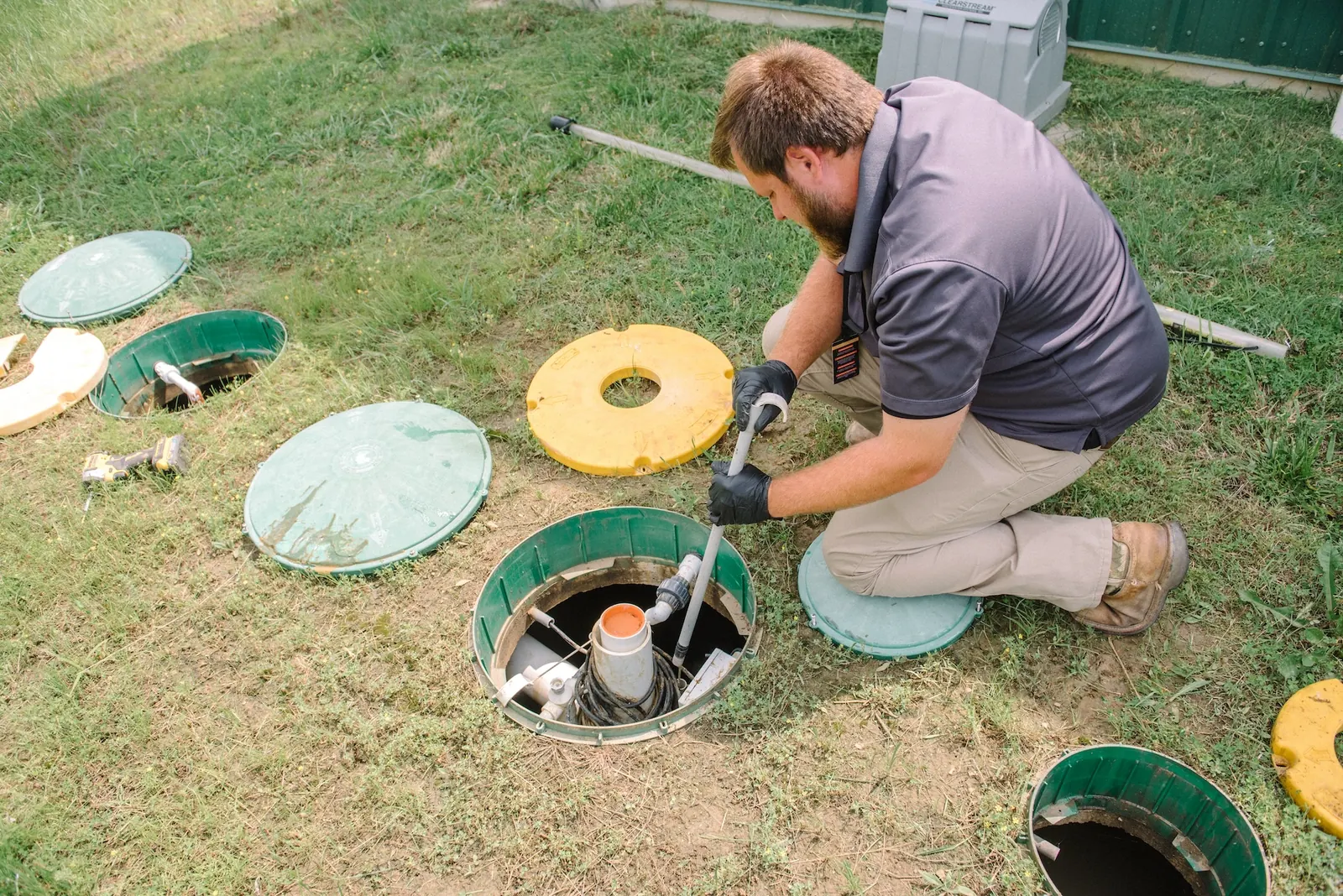
Commercial septic inspections help owners and managers understand accessible system conditions before maintenance decisions, property changes, or recurring symptoms become harder to interpret. An inspection can review available records, accessible tanks and components, sludge and scum conditions, pumps or controls where present, and visible signs around the disposal area. What can be inspected depends on access and the system configuration.
A useful inspection should leave the owner or manager with clearer information about accessible conditions and any follow-up worth considering.
When an Inspection Can Clarify the Next Decision
A commercial septic inspection is useful when the property needs information before choosing the next service.
- Management wants a maintenance baseline for an existing onsite system.
- Recurring symptoms need to be documented before repair is planned.
- A property or operational change raises questions about system condition.
- Previous service notes identify components that should be checked again.
An inspection should produce useful observations, not a generic checklist that ignores why the property requested it.
Document Accessible Conditions Before Recommending Follow-Up
We focus on accessible system information relevant to the reason for the inspection and explain what the observations can and cannot establish. If the inspection points toward pumping, repair, pump service, or a larger system question, that follow-up should be explained separately rather than folded into an unclear recommendation.
The Purpose of the Inspection Changes What Matters Most
An inspection requested for routine maintenance is different from one requested after an alarm or recurring backup. Property managers should share recent service dates, repair history, known system components, and the specific concern behind the inspection. Better context makes the findings easier to interpret and use.
Warning Signs Help Prioritize Inspection Follow-Up
If inspection findings point to a repair, pumping need, or replacement question, that follow-up should be discussed separately. An inspection is most useful when it turns observations into a clear next step.
The EPA guidance on septic system malfunctions provides useful context for symptoms that may justify a closer inspection of the onsite system.
Request a Commercial Septic Inspection With a Clear Purpose
We keep the inspection focused on what the customer needs to learn and provide straightforward documentation of the service discussed.
Call (951) 669-2963 or use the estimate form to request a free estimate for commercial septic inspections. Include any symptoms, recent maintenance, or system details that may help plan the visit.