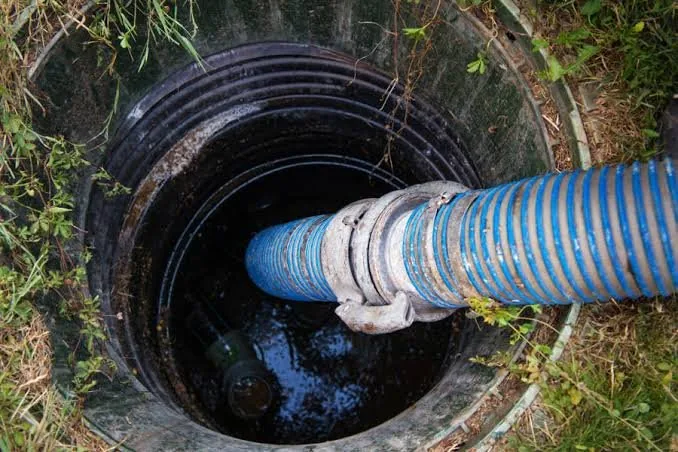
SEPTIC TANK PUMPING IN MENIFEE, CA
Septic Tank Pumping for Menifee Homes
When your tank is filling with settled solids, septic tank pumping in Menifee helps protect normal system flow and reduce avoidable backup risk. Call today for a fast, free estimate.
- Licensed & Insured
- Locally Owned
- Serving Since 2016
Get a Free Estimate
Home › Residential Septic Services › Septic Tank Pumping
Septic tanks are designed to hold wastewater long enough for solids to settle and lighter material to rise. Those solids do not disappear on their own. Over time, they take up usable tank capacity and need to be removed. Routine pumping keeps that buildup from crowding the working volume of the tank and helps reduce the amount of solid material that can move toward the drain field.
Menifee Septic Service provides residential pumping for homeowners who are due for maintenance, have an uncertain service history, or are seeing signs that the system deserves attention. If you need help with the broader system rather than a pump-out alone, our residential septic services page explains the other options available.
A pump-out is most useful when it is performed for the right reason. We focus on clear communication about what pumping can accomplish, what conditions may point to another septic issue, and what you can watch after the tank is serviced.
When Septic Tank Pumping Is the Right Next Step
Many pumping calls are straightforward maintenance visits. Others begin because the homeowner does not know when the tank was last pumped or because several plumbing fixtures are behaving differently. Pumping may be a sensible next step when accumulated solids are due for removal, but it should not be treated as a universal repair for every backup or odor.
Reasons homeowners commonly schedule pumping include:
- The previous pump-out was several years ago or the service history is unknown.
- The household size or wastewater use has increased.
- The tank needs to be emptied before another septic service or inspection.
- Slow drainage or other system changes make tank condition worth checking.
- A maintenance record shows that pumping is due based on the property’s normal pattern.
If wastewater is already backing up, surfacing outdoors, or triggering an alarm, tell us that when you call. Those details help separate a routine maintenance request from a problem that may need troubleshooting in addition to pumping.
What Happens During a Residential Pump-Out
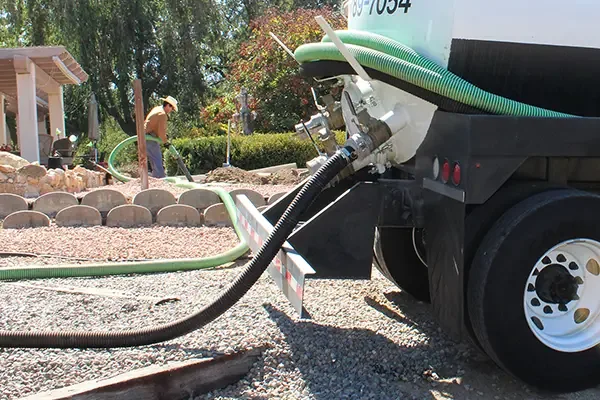
A residential pump-out begins with safe access to the septic tank and removal of the tank contents through the service opening. The objective is to remove accumulated sludge and scum along with the liquid so the tank regains working capacity. The exact access arrangement varies by property, which is why it helps to know where the lids or risers are located.
During service, the tank is more visible than it is during normal daily use. That provides a practical opportunity to notice obvious conditions around accessible components rather than treating the visit as nothing more than removing gallons. If heavy material remains after ordinary pumping, a more thorough septic tank cleaning may be worth discussing.
Pumping does not repair a damaged pipe, restore a failed drain field, or correct every alarm condition. If the system shows signs of a separate problem, the useful outcome is to identify that distinction so you are not left expecting routine pumping to solve an unrelated failure.
What We Look for While the Tank Is Accessible
With the tank open, visible conditions can help provide context for future maintenance. Accessible baffles or tees, liquid level, unusual inflow, damaged lids, or obvious signs of deterioration may deserve attention. The purpose is not to turn every maintenance visit into a repair project. It is to recognize visible conditions that could affect how the system performs.
Tell us about recurring odors, backups, gurgling, alarms, or wet areas even if the main reason for the visit is routine pumping. Those symptoms can change what should be considered next. A normal pump-out can remove solids, but repeated wastewater problems may involve a pump, line, tank component, or disposal area.
Keeping a basic service record after the visit is useful. Note the date and any observations that matter. Over time, that information gives you a better picture of how quickly your household tends to fill the tank and whether the interval between service visits is changing.
How Household Use Affects Pumping Needs
No fixed pumping schedule applies to every home. Household size, tank capacity, water use, garbage disposal use, and the amount of solids entering the system can all affect how quickly material accumulates. A smaller household with a larger tank may have a different pattern from a busy household using the same size tank.
The U.S. Environmental Protection Agency notes that many household septic tanks are pumped on a multi-year schedule and recommends regular inspection, but your actual service timing should reflect the property and system. Its septic system care guidance is a useful general reference for homeowners.
Water conservation also supports the system. Repairing leaks and spreading out heavy water use can reduce sudden hydraulic loading. Pumping removes accumulated solids; it does not make an overloaded drain field accept unlimited wastewater. Looking at maintenance and daily use together is more useful than treating the pump date as the only factor that matters.
Why Pumping Before a Problem Is Easier
Waiting for a sewage backup is a stressful way to discover that routine maintenance was overdue. Planned pumping gives you more control over timing and makes it easier to discuss access before the service visit. It also helps establish a record that can guide the next maintenance decision instead of relying on guesswork.
There are practical signs that deserve attention before a scheduled interval arrives. Multiple slow fixtures, septic odors, unusual gurgling, alarms, or surface moisture near the system should not be ignored simply because the last pump-out was recent. Those symptoms may point to a separate issue that routine maintenance alone will not address.
If you are unsure whether your tank is due, share what you know about the last service date, household size, and any changes you have noticed. We can help you decide whether pumping is a reasonable starting point. For scheduling or a straightforward estimate, use our contact page or call the local number shown on this site.
Access planning is another reason scheduled maintenance is easier than emergency service. If you know where the tank lids or risers are located, keep that information with your septic records and avoid placing permanent obstacles over known access points. If you do not know the location, say so when you request service rather than trying to excavate blindly. The goal is to make the tank safely accessible while keeping the visit as straightforward as the property allows. After pumping, the date becomes a useful reference point for the household’s future maintenance pattern, especially when it is combined with notes about tank condition and any symptoms discussed during the visit.
Septic Tank Pumping FAQs
How often should a septic tank be pumped?
There is no single interval for every home. Tank size, household size, water use, and solids accumulation all matter. If you know your previous service dates, that history is often more useful than choosing a schedule based only on a general rule.
Will pumping fix a septic backup?
It can help when an overfull tank is the immediate issue, but backups can also involve piping, pumps, or the drain field. Describe the symptoms when you call so the service is not approached as routine maintenance if the system may need troubleshooting.
Do I need to know exactly where the tank lid is?
It helps, especially if lids or risers are already accessible, but tell us what you know. Property records, previous service information, or visible access points can make the conversation about access more efficient.
What should I do after the tank is pumped?
Keep the service date for your records, continue normal septic-friendly water and waste habits, and watch for recurring symptoms. If slow drains, odors, alarms, or wet areas continue after pumping, another part of the system may need attention.