
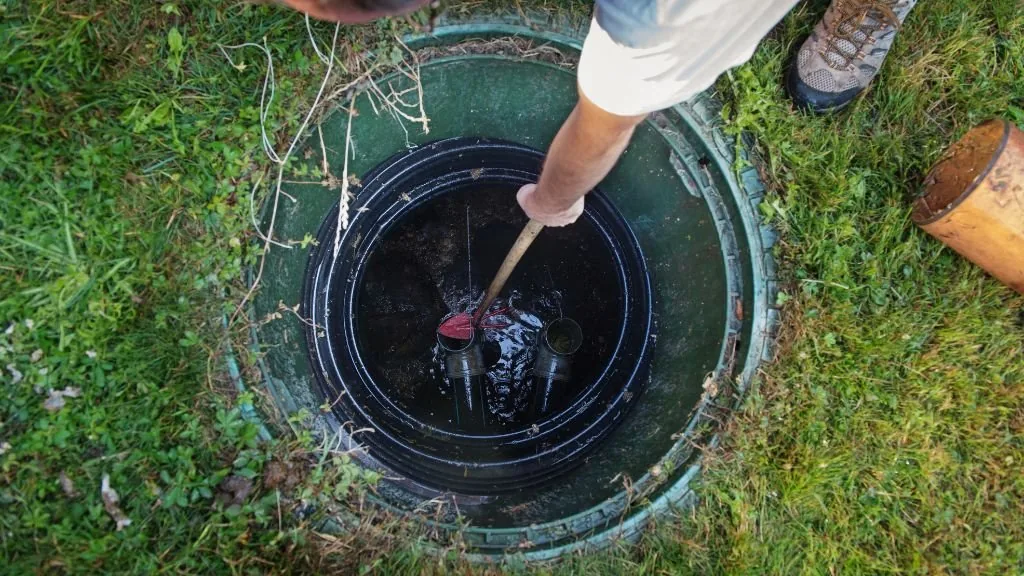
Septic maintenance is easier when a few practical habits become part of normal home care. The goal is not to manage the system every day. It is to avoid unnecessary wastewater and problem materials, protect the areas where septic components are located, and keep enough service history to make future pumping or repair decisions with confidence.
Keep Wastewater Flow Manageable
The septic system receives nearly all of the wastewater produced inside the home, so wasted water becomes extra work for the system. Repair dripping or running fixtures, pay attention to sudden changes in water use, and spread very high-water activities when practical instead of stacking them together. Normal showers, laundry, and cleaning are expected; the useful habit is reducing avoidable surges.
Changes in occupancy matter as well. A home that suddenly has more residents, frequent guests, or a different daily routine may place a different load on the system than it did in the past. When the way the property is used changes, keep that context with the pumping and maintenance history.
Treat Every Drain as a Path to the Septic System
What leaves a sink, toilet, tub, or appliance eventually reaches the onsite wastewater system. Keep wipes, grease, paper towels, hygiene products, cat litter, and similar materials out of household drains and toilets. A garbage disposal can also increase the amount of food solids entering the tank, so use it with the septic system in mind rather than treating the drain as a trash chute.
Give chemicals a different disposal route
Use household cleaning products according to their directions, but do not pour paint, solvents, automotive fluids, or other hazardous materials into the plumbing. Products that require special disposal should be handled through the appropriate disposal method instead of being sent through the septic tank.
Protect the Ground Above Buried Components
Known tank, piping, and disposal areas should stay accessible for future service and protected from unnecessary heavy loads. Avoid parking heavy vehicles or adding structures over septic components unless the work is specifically planned for that location. Keep large-rooted plantings away from known buried components when possible, and save any diagram or access-location information with the property records.
Make Routine Service Easy to Continue
Keep one simple record for pumping, inspections, repairs, pump or alarm work, and changes to the property that could affect wastewater use. The value is continuity. When the next service is needed, you can see what was done, when it happened, and whether the current concern is new or part of a recurring pattern.
Routine care may involve different services at different times. Review our septic system maintenance and pumping services for common options. If you want help discussing what fits the property now, call Hesperia Septic Service at (760) 490-0896 for a free estimate.
Good records also stay useful when the home is sold, inherited, remodeled, or used differently. Passing along the last pump-out date, known access points, and recent repair history gives the next owner or service provider a much clearer starting point than an unknown maintenance history.
Need Septic Service in the Hesperia Area?
Share the property location, the last service you know about, and what maintenance you are considering. We can discuss the next step and provide a free estimate.